

 English
  русский
  Español
  عربى
عربى 
Content
- 1 1. The Role of Linear Actuators in Modern Equipment
- 2 2. Product Overview and Core Performance
- 3 3. Heavy-Duty Force in a Compact Electric Design
- 4 4. Mechanical Self-Locking for Safer Load Holding
- 5 5. Built-In Safety and Protection Features
- 6 6. Thermal Management and Intermittent Operation
- 7 7. Advantages Over Pneumatic and Hydraulic Alternatives
- 8 8. Construction and Manufacturing Quality
- 9 9. Manufacturing Strengths of the Supplier
- 10 10. Application in Nursing Beds and Healthcare Equipment
- 11 11. Application in Industrial Automation
- 12 12. Application in Transportation Equipment
- 13 13. Application in Heavy-Duty Smart Furniture
- 14 14. Design and Installation Considerations
- 15 15. Maintenance-Free Operation and Lifecycle Value
- 16 16. Comparing the TH-01 with Ordinary Electric Actuators
- 17 17. Product Selection Checklist for OEM Buyers
- 18 18. Quality, Compliance, and Responsible Application
- 19 19. A Practical Value Proposition for Equipment Manufacturers
- 20 20. Frequently Asked Questions
- 20.1 Q1: What is the maximum push force of the TH-01 actuator?
- 20.2 Q2: What is the rated pull force?
- 20.3 Q3: Can the actuator hold its position after power is removed?
- 20.4 Q4: Does the TH-01 require hydraulic oil or compressed air?
- 20.5 Q5: What does the IP54 rating mean?
- 20.6 Q6: How fast does the actuator move?
- 20.7 Q7: What is the recommended duty cycle?
- 20.8 Q8: Does the actuator include end-of-stroke protection?
- 20.9 Q9: What happens during an overload condition?
- 20.10 Q10: Can the actuator be customized?
- 20.11 Q11: Which industries can use this actuator?
- 20.12 Q12: Is the actuator maintenance-free?
- 20.13 Q13: Why choose an electric actuator instead of a pneumatic or hydraulic cylinder?
- 20.14 Q14: What should OEM customers confirm before ordering?
- 21 Conclusion
- 22 References
- 23 Product: TH-01 Industrial-Grade Heavy-Duty Electric Linear Actuator
Why Heavy-Duty Electric Linear Actuators Are Transforming Industrial Motion Systems
2026-07-29
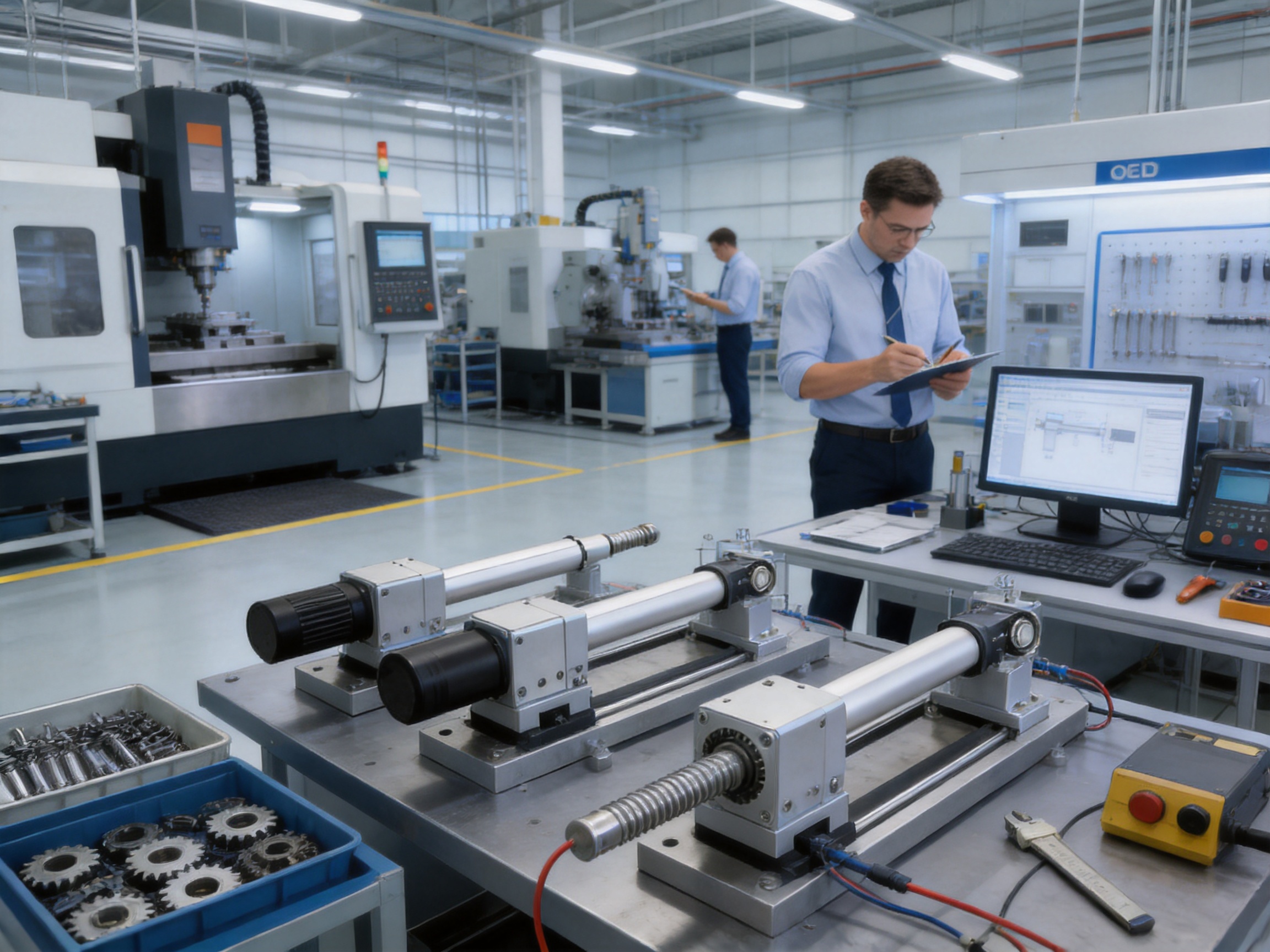
Heavy-duty motion systems must deliver more than simple linear movement. They must provide dependable force, controlled positioning, reliable self-locking, safe operation, compact installation, and practical maintenance over an extended service life. In applications such as nursing beds, industrial automation, transportation equipment, and height-adjustable furniture, the actuator is often the component that determines whether the complete machine operates smoothly and safely.
The TH-01 Industrial-Grade Heavy-Duty Electric Linear Actuator is designed specifically for demanding push-and-pull applications. It combines a die-cast aluminum-alloy housing, a 24VDC electrical system, a trapezoidal lead screw, electronic limit switches, overload protection, and an integrated brushed DC motor with metal reduction gearing. Together, these elements create a compact actuator capable of delivering a rated push force of 6000N, a pull force of 4000N, and a self-locking force of up to 4000N.
Unlike pneumatic and hydraulic cylinders, the TH-01 does not require an external compressor, air line, hydraulic pump, oil reservoir, or fluid circuit. Its electrically driven architecture simplifies installation and can reduce the number of supporting components required by the machine builder. The result is a clean, controllable, and adaptable linear motion solution for equipment manufacturers seeking strong performance without excessive system complexity.
Manufactured by SuZhou Skyhone Intelligent Technology Co., Ltd., the actuator reflects the company’s focus on research, development, production, sales, and service for intelligent office and industrial motion solutions. The company is based in Suzhou, an important manufacturing center in China’s Yangtze River Delta, where a mature furniture and equipment supply chain supports efficient product development and production.
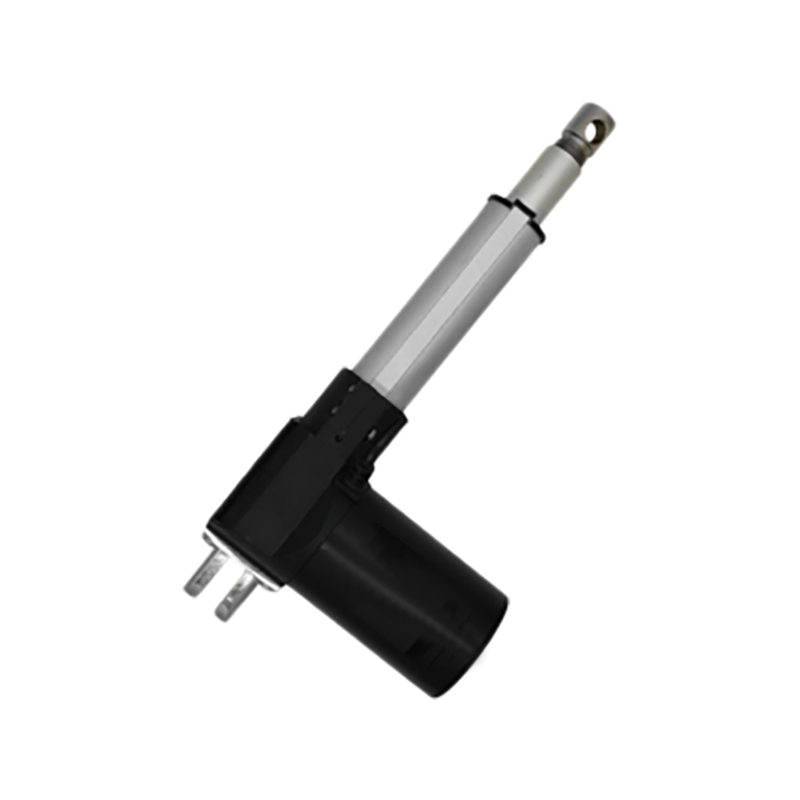
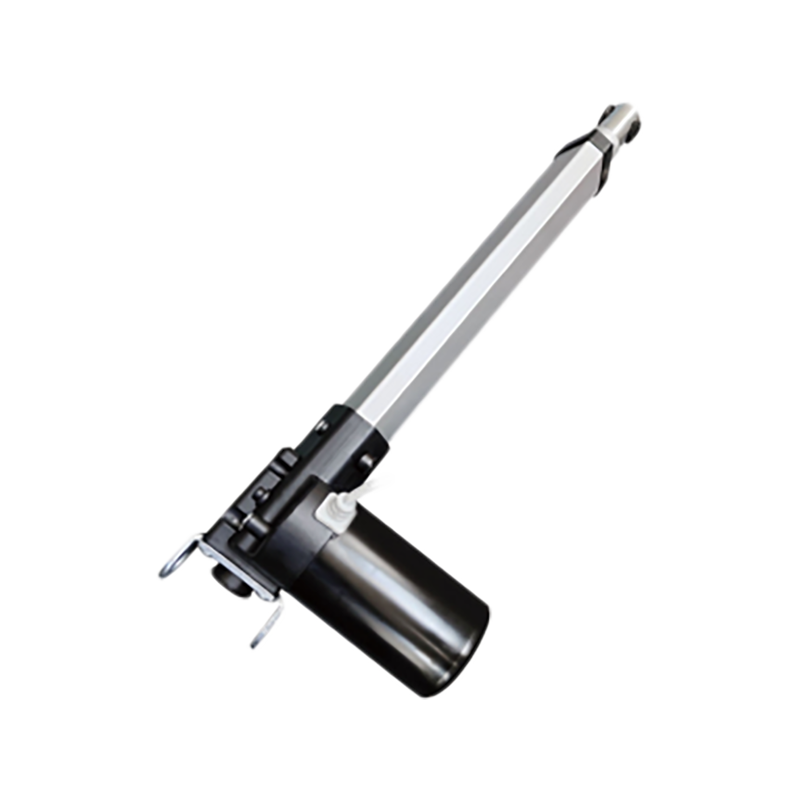
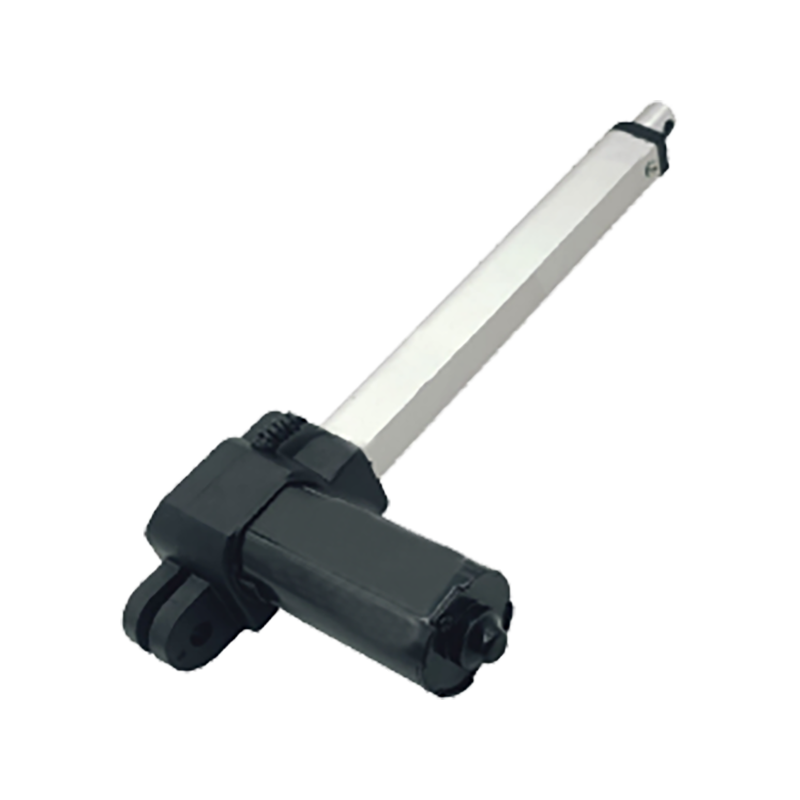
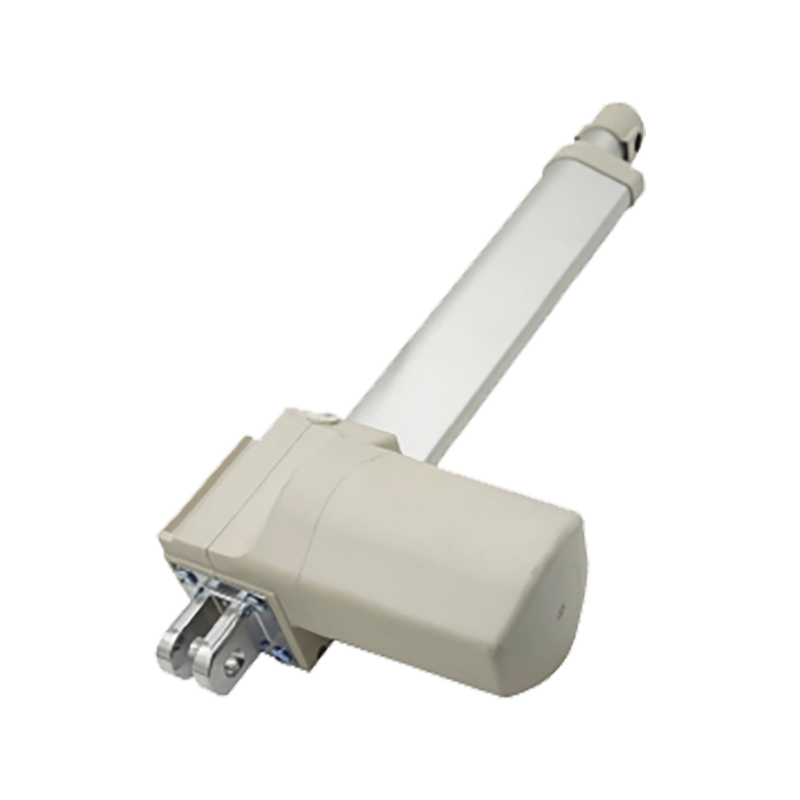
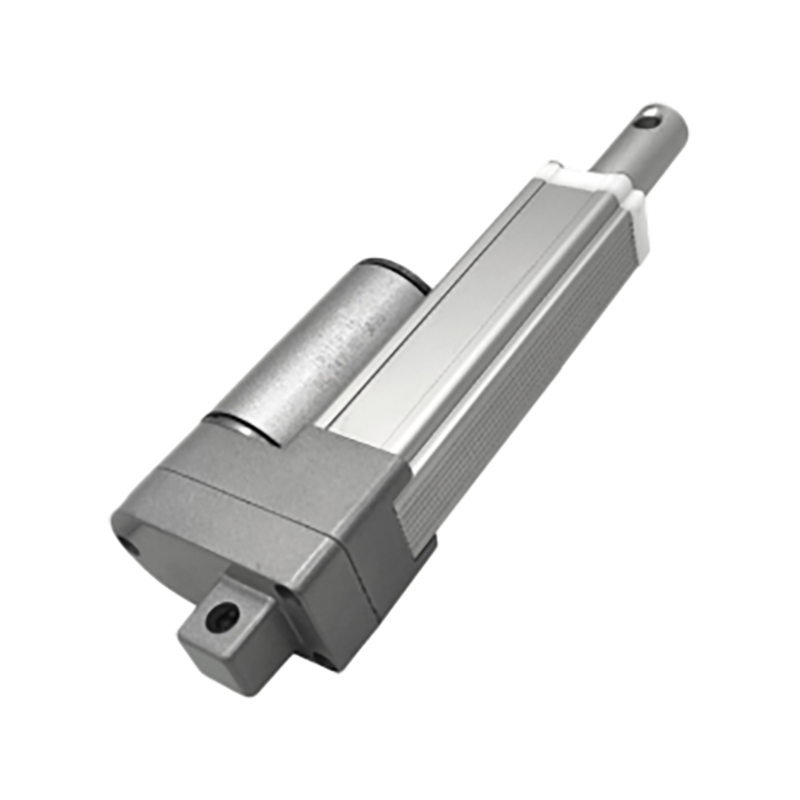
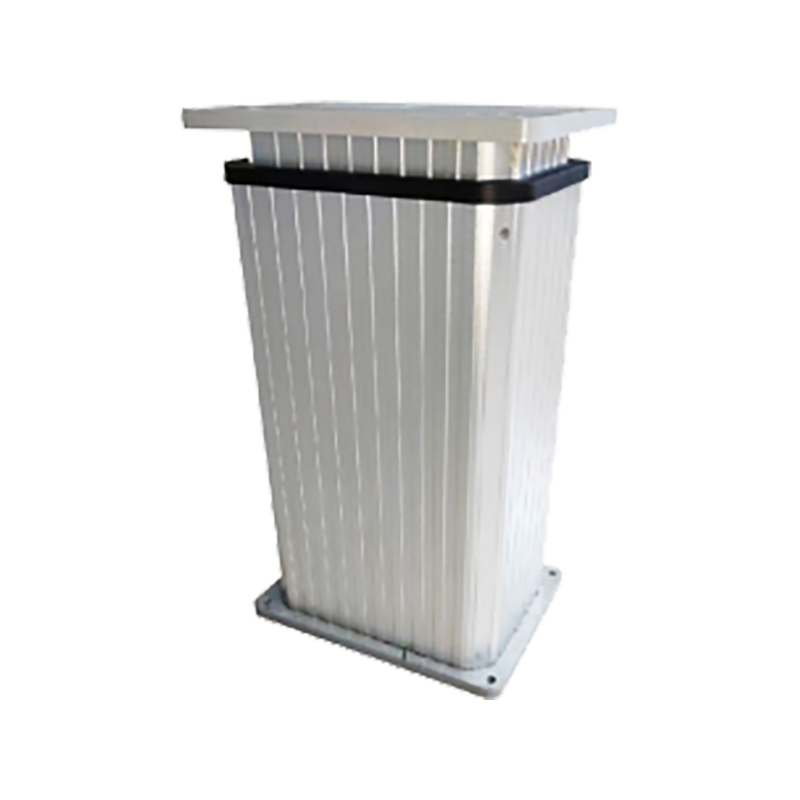
TH-01 Industrial-Grade Heavy-Duty Electric Linear Actuator
1. The Role of Linear Actuators in Modern Equipment
A linear actuator converts rotary motor movement into controlled linear movement. This function is essential whenever a machine needs to lift, push, pull, tilt, extend, retract, or adjust a component. Although the principle is straightforward, the engineering requirements can be demanding. The actuator may need to work under substantial loads, fit into a restricted installation space, resist dust and moisture, stop accurately at both ends of its travel, and hold a load securely when power is removed.
In traditional systems, pneumatic and hydraulic cylinders have often been selected for heavy loads. These technologies can provide high force, but they also require additional infrastructure. Pneumatic equipment needs compressed air, valves, tubing, and air preparation components. Hydraulic equipment requires pumps, hoses, reservoirs, valves, seals, and working fluid. Such systems may be appropriate in specific environments, but they can increase installation time, maintenance requirements, noise, and the risk of leakage or contamination.
Electric linear actuators offer a different approach. A motor, reduction gear set, screw mechanism, guide structure, and control-related components are integrated into one compact assembly. This design can reduce system complexity and make machine architecture easier to organize. Electric operation also allows the actuator to be connected to switches, control panels, sensors, programmable controllers, and intelligent furniture control systems.
The TH-01 is intended for applications where strong linear force and dependable holding performance are more important than rapid movement. Its no-load telescopic speed is a constant 5mm/s, while its primary design objective is stable, controlled output under heavy working conditions. This makes it suitable for equipment that prioritizes load handling, safety, and predictable positioning.
2. Product Overview and Core Performance
The TH-01 is a heavy-duty electric linear actuator with an integrated mechanical and electrical structure. Its main body is manufactured through aluminum-alloy die casting and finished in a black-and-silver dual-color appearance. The housing is designed to provide a practical balance between strength, weight, appearance, and protection of the internal components.
The actuator uses a standard 24VDC power supply. Low-voltage DC operation is widely used in industrial equipment, adjustable furniture, medical equipment, and transportation systems because it can simplify integration with control electronics. A full-load operating current of 4A provides a clear electrical reference for power supply selection and system design.
Its rated push force reaches 6000N, while the rated pull force reaches 4000N. The maximum self-locking force is specified as 4000N. These figures allow the actuator to support substantial loads in applications where the movement is intermittent and carefully controlled. The difference between push and pull ratings should be considered during equipment design, because the orientation of the actuator, load distribution, friction, mounting geometry, and dynamic forces all affect real-world performance.
The actuator has an IP54 protection rating. This means the enclosure is designed to provide protection against limited dust ingress and water splashing from various directions. IP54 is especially useful for indoor industrial environments, workshops, equipment rooms, healthcare equipment, and furniture systems where the actuator may encounter ordinary dust, incidental moisture, and routine cleaning conditions. It is not intended to be treated as a fully waterproof product or submerged component.
The TH-01 has passed CE and RoHS certifications. These certifications support its suitability for relevant markets and applications when the complete machine is designed, assembled, and assessed correctly. For equipment manufacturers, certified components can help simplify documentation and product compliance planning, although the finished machine still requires its own conformity evaluation where applicable.
| Parameter | TH-01 Specification | Design Significance |
|---|---|---|
| Product type | Heavy-duty electric linear actuator | Designed for demanding push-and-pull applications |
| Power supply | 24VDC | Compatible with common low-voltage control systems |
| Rated push force | 6000N | Supports substantial lifting and pushing loads |
| Rated pull force | 4000N | Suitable for controlled retracting and pulling actions |
| Self-locking force | Up to 4000N | Helps hold the extended position after power-off |
| Full-load current | 4A | Provides a reference for power supply and wiring design |
| No-load speed | 5mm/s | Delivers controlled movement rather than high-speed travel |
| Protection rating | IP54 | Helps protect against limited dust and water splashing |
| Duty cycle | 10%, 2 minutes operation and 18 minutes rest | Supports intermittent operation with thermal management |
| Certifications | CE and RoHS | Supports compliance planning for applicable markets |
3. Heavy-Duty Force in a Compact Electric Design
One of the most important advantages of the TH-01 is its ability to provide high linear force from a relatively compact electromechanical assembly. A rated push force of 6000N gives equipment designers a substantial force reserve for lifting and pushing functions. In practical terms, the actuator can be used where a machine must raise a significant load, move a heavily supported mechanism, or apply a consistent linear force against resistance.
High force alone does not guarantee a successful application. The structure supporting the actuator must be sufficiently rigid, the mounting points must be correctly aligned, and the load must remain within the actuator’s specified operating conditions. Side loading should be minimized because linear actuators are generally intended to work along their designed axis. Proper use of guide rails, pivot joints, mounting brackets, and synchronized actuators may be necessary for large or uneven loads.
The TH-01’s metal reduction gear set helps transfer motor rotation into usable mechanical torque. The reduction system supports the actuator’s heavy-load performance and contributes to controlled movement. Metal gearing is particularly useful in applications where the drive system must withstand repeated intermittent operation and resist wear better than lightweight gear materials may allow.
The integrated wear-resistant guide bushing further supports smooth operation. A guide bushing helps maintain the alignment of moving components and reduces unwanted movement during extension and retraction. In a heavy-load application, controlled guidance is important because excessive play, shaking, or uneven movement can increase mechanical stress on the actuator and the surrounding equipment.
The TH-01 therefore combines force generation, mechanical transmission, and guided movement in one product. This integrated design can reduce the need for separate drive and guidance components, making it easier for engineers to create compact equipment layouts.
4. Mechanical Self-Locking for Safer Load Holding
Power-off load holding is a major consideration in lifting and adjustment equipment. If a load can move downward or change position when electrical power is interrupted, the equipment may create a safety hazard or damage the workpiece. The TH-01 addresses this requirement with a trapezoidal lead screw transmission structure.
When the actuator reaches a selected position and power is removed, the trapezoidal lead screw can provide mechanical self-locking. This allows the actuator to hold an extended length without continuously consuming electrical power. The specified self-locking force is up to 4000N, offering a strong holding capability for appropriately designed applications.
Mechanical self-locking can provide several benefits. It may reduce the need for an additional brake, simplify control logic, reduce standby energy consumption, and improve position stability. It also helps prevent unintended load slipping when the motor is not energized. For adjustable furniture, medical equipment, and lifting mechanisms, this behavior is especially valuable because the user expects the selected position to remain stable.
Self-locking performance should always be evaluated together with load direction, mounting angle, vibration, dynamic impact, screw wear, and the complete mechanical structure. The actuator should not be used beyond its specified force rating, and the machine designer should determine whether an independent safety support or secondary retention system is required for applications involving people or elevated loads.
Compared with an actuator that depends exclusively on motor braking or electrical power to maintain position, a mechanically self-locking screw structure offers an additional layer of passive holding. This is one of the TH-01’s strongest advantages over less specialized electric actuators.
5. Built-In Safety and Protection Features
Heavy-duty equipment must be designed to manage abnormal conditions. A blocked mechanism, excessive load, incorrect installation, or overextended stroke can increase motor current and generate heat. If such conditions are not controlled, they may damage the motor, gears, screw, wiring, or machine structure.
The TH-01 includes electronic limit switches. These switches are designed to stop the actuator when it reaches its permitted end positions. End-of-stroke control helps prevent the moving mechanism from continuing to drive against a physical stop. It also helps protect the internal transmission system and allows equipment designers to establish defined operating limits.
The actuator is also equipped with an overload automatic power-off protection module. If the actuator encounters an overload condition, the protection function can interrupt power automatically. This feature is designed to reduce the risk of damage caused by excessive resistance or abnormal loading. It can be particularly useful in equipment exposed to changing loads, user interaction, or occasional obstruction.
Protection functions do not eliminate the need for correct system design. The actuator should be installed with appropriate structural supports, aligned mounting points, suitable wiring, and a properly rated power supply. Engineers should also evaluate emergency stopping, pinch-point protection, control redundancy, and operator access according to the intended application.
By integrating electronic limits and overload protection into the actuator, the TH-01 can reduce the amount of external protective hardware needed. This may help equipment manufacturers simplify wiring and reduce the time required to configure the motion system. It also supports a more organized product architecture in which key protective functions are located close to the drive mechanism.
6. Thermal Management and Intermittent Operation
The TH-01 follows a 10% duty cycle, defined as 2 minutes of operation followed by 18 minutes of rest. This specification is important because electric motors and gear systems generate heat during operation, particularly under heavy loads. A duty cycle establishes a practical operating rhythm that helps the actuator release heat before the next extended movement.
For equipment manufacturers, the duty cycle should be considered during the earliest design stage. The expected number of movements per hour, average load, travel distance, ambient temperature, and control pattern all influence the actuator’s thermal behavior. A machine that requires frequent continuous movement may need a different actuator or a different mechanical strategy.
The 10% duty cycle is well suited to many lifting and adjustment applications. Nursing beds, adjustable desks, industrial pusher mechanisms, and smart furniture typically move for a short period and then remain stationary. In these situations, the actuator does not need to operate continuously. Instead, it must provide consistent force during adjustment and remain stable during the long rest period.
Following the recommended duty cycle helps protect the motor, gear set, screw, and internal electrical components. It also supports product longevity and predictable operation. The duty cycle should not be interpreted as a limitation in ordinary use; rather, it is a design parameter that helps users match the actuator to the correct operating profile.
7. Advantages Over Pneumatic and Hydraulic Alternatives
The TH-01 is designed as a clean electric alternative to traditional pneumatic and hydraulic cylinders. The comparison should be made according to the requirements of each application, since pneumatic and hydraulic systems remain useful in specific high-speed or high-power environments. However, for many adjustable and intermittent mechanisms, an electric actuator can offer important practical advantages.
7.1 Simplified Installation
A pneumatic cylinder generally requires an air compressor, air treatment equipment, valves, hoses, fittings, and controls. A hydraulic cylinder usually requires a pump, reservoir, hoses, valves, seals, and hydraulic fluid. The TH-01 requires a suitable 24VDC power supply and control arrangement, reducing the number of external components needed for basic operation.
This simpler architecture can shorten installation time and reduce the space required for supporting equipment. It can also make machine layouts cleaner, which is particularly helpful in adjustable furniture, compact medical devices, and enclosed industrial mechanisms.
7.2 Reduced Risk of Fluid-Related Contamination
The TH-01 operates without hydraulic oil or compressed air. The absence of hydraulic fluid eliminates the possibility of oil leakage from the actuator system. This is valuable in office furniture, healthcare environments, food-adjacent equipment, and other applications where cleanliness is important.
Electric operation also avoids the need to manage condensate and air leakage associated with pneumatic systems. While the actuator still requires appropriate cleaning and environmental protection, its dry mechanical design can support a cleaner installation.
7.3 Easier Electrical Control
Electric actuators can be integrated with switches, remote controls, programmable controllers, and intelligent furniture control systems. Direction, movement duration, limit behavior, and coordination with other devices can be managed through electrical signals. This provides a practical foundation for smart equipment and automated adjustment functions.
7.4 Mechanical Position Holding
The TH-01’s trapezoidal lead screw can mechanically self-lock after power-off. In a suitable application, this can reduce the need for continuous power or separate holding components. A pneumatic cylinder may require maintained air pressure, while a hydraulic cylinder may depend on valve and circuit conditions to hold position. The TH-01’s screw-based holding behavior is therefore a valuable advantage for stable adjustment mechanisms.
7.5 Lower System Complexity
Fewer external components can simplify procurement, assembly, servicing, and troubleshooting. The actuator integrates the motor, reduction gears, guide bushing, limit switches, and overload protection into a single product. This integrated approach may help manufacturers standardize their designs and reduce the number of individual components in the bill of materials.
8. Construction and Manufacturing Quality
The housing of the TH-01 is produced through integrated die casting with high-quality aluminum alloy. Die casting can support consistent housing geometry, repeatable production, and effective integration of structural features. Aluminum alloy also offers a useful combination of light weight, corrosion resistance, thermal conductivity, and mechanical strength.
A well-formed actuator housing does more than provide an attractive exterior. It protects the motor, gear set, screw transmission, wiring, and electronic protection components. It also contributes to alignment and rigidity. In heavy-duty applications, a rigid housing helps maintain the correct relationship between the motor, reduction gears, screw, and guide structure.
The black-and-silver dual-color body gives the actuator a professional appearance suitable for both industrial equipment and modern furniture. Appearance is not the primary performance criterion, but it can influence product integration, especially when the actuator is visible on height-adjustable furniture, healthcare equipment, or premium automation products.
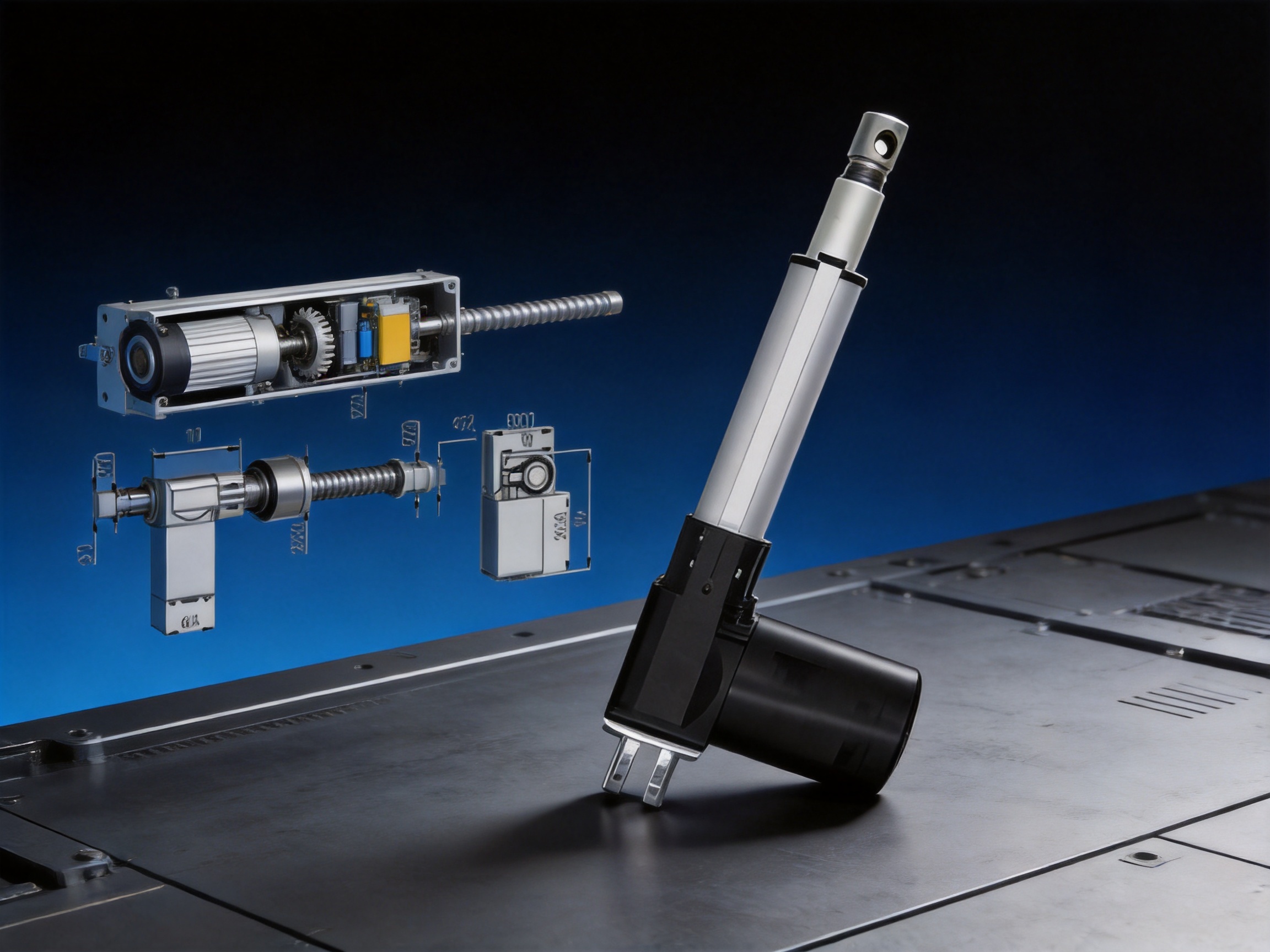
Inside the housing, the actuator uses a DC brushed motor, metal reduction gear set, trapezoidal lead screw, and wear-resistant guide bushing. These components are selected to support practical heavy-load performance and stable movement. The integrated configuration reduces the need for users to combine a motor from one supplier, a screw drive from another supplier, and an external guide mechanism from a third supplier.
Consistent manufacturing is particularly important for actuator production. The housing, gear train, screw, guide bushing, limit system, and electrical protection module must work together as a coordinated assembly. A manufacturer with integrated product development and production capabilities can evaluate the complete actuator rather than treating each component as an isolated part.
9. Manufacturing Strengths of the Supplier
SuZhou Skyhone Intelligent Technology Co., Ltd. is a professional manufacturing enterprise engaged in the research and development, production, sales, and service of standing desks and related intelligent motion products. Its location in Suzhou provides access to the extensive industrial and furniture manufacturing resources of the Yangtze River Delta.
The regional industrial chain can support collaboration among material suppliers, metal-processing facilities, motor and electrical component producers, machining resources, and furniture manufacturers. This environment is valuable for a company developing actuators intended for both industrial mechanisms and adjustable furniture. It can encourage faster product iteration, practical engineering collaboration, and coordinated production planning.
The company’s business experience in standing desks and ergonomic office solutions also provides a useful application perspective. Adjustable desks place particular demands on actuator performance, including stable lifting, quiet movement, user safety, compact installation, and dependable repeated adjustment. Knowledge gained from such products can be applied to other intelligent equipment requiring controlled linear motion.
Product development is strengthened when the manufacturer understands both the actuator and the final application. A component supplier that only sells a motor may not fully understand the alignment, load distribution, control behavior, and user expectations of an adjustable desk or medical mechanism. By contrast, a company involved in complete standing desk solutions can evaluate how the actuator performs within a larger product system.
The TH-01 also supports customization of stroke, mounting joints, and thrust. This flexibility is important for original equipment manufacturers that need to adapt the actuator to a specific frame, linkage, or mechanical envelope. Customization can reduce the need for customers to redesign their equipment around a fixed actuator configuration.
Customization should be managed through a structured engineering process. The customer and manufacturer should review the intended force, stroke, mounting geometry, duty cycle, speed, environmental conditions, control method, and safety requirements. Proper specification before production helps prevent mismatches and supports a more reliable final machine.
10. Application in Nursing Beds and Healthcare Equipment
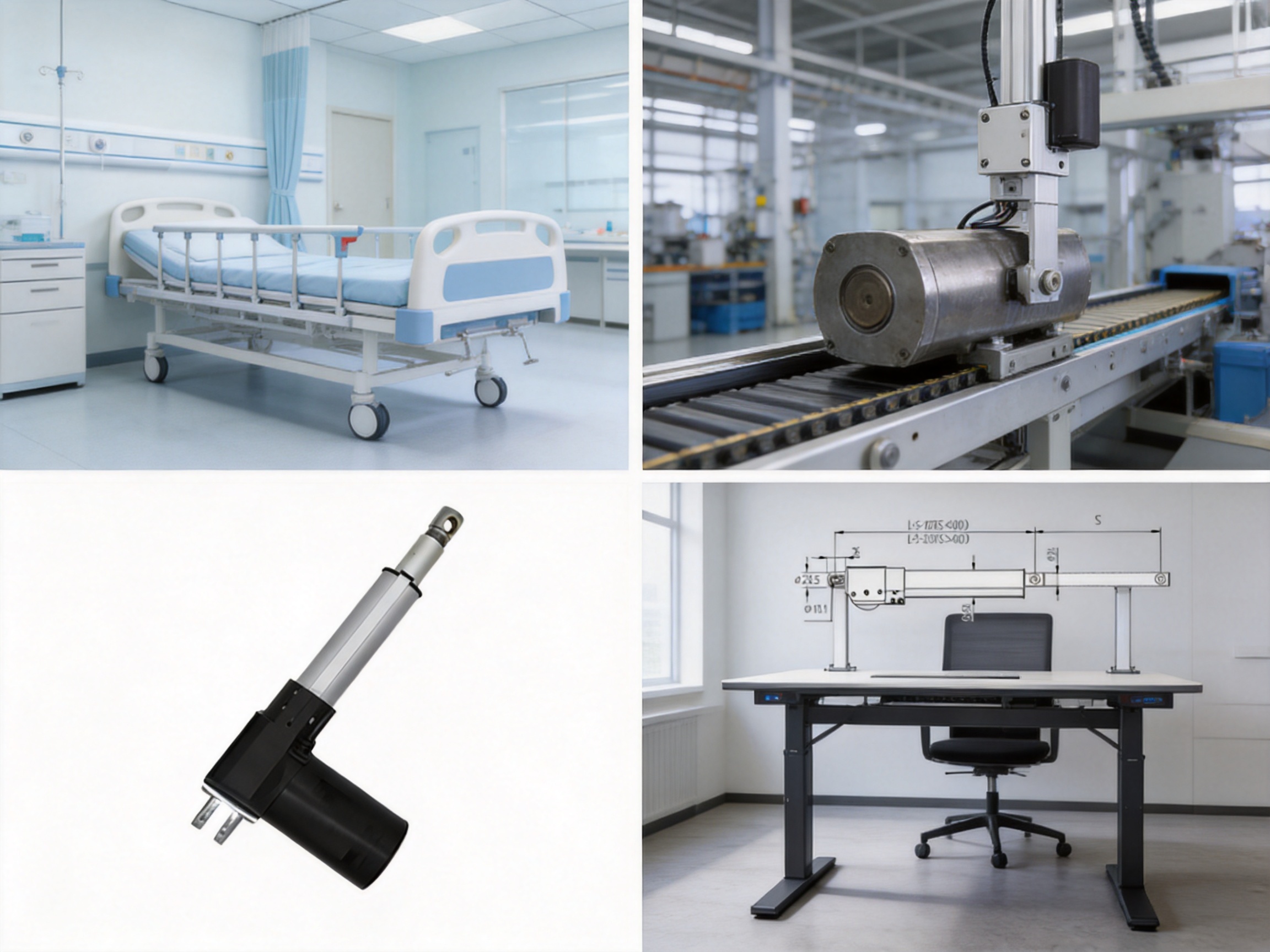
Nursing beds often require controlled adjustment of the backrest, leg section, overall height, or other support areas. In these applications, movement must be stable, predictable, and safe. The TH-01’s high push force and mechanical self-locking characteristics make it suitable for selected heavy-duty bed adjustment mechanisms, subject to complete system validation and applicable medical equipment requirements.
Healthcare equipment may benefit from the actuator’s clean electric design. Without hydraulic oil or pneumatic infrastructure, the system can be easier to integrate into a compact bed frame. The IP54 protection rating can help protect against ordinary dust and incidental splashing, although healthcare operators must still follow the manufacturer’s cleaning and maintenance instructions.
Electronic limit switches can help define the safe travel range of a bed mechanism. Overload automatic power-off protection can help respond to abnormal resistance. These features are particularly useful in equipment that may be operated by different users and under changing load conditions.
Any actuator used in healthcare equipment must be evaluated as part of the complete product. Designers should consider patient safety, emergency lowering, pinch points, noise, redundancy, cleaning agents, electrical isolation, and medical regulatory requirements. The actuator can provide an important mechanical foundation, but the final bed or device requires comprehensive engineering validation.
11. Application in Industrial Automation
Industrial automation systems frequently use linear motion to push products, position fixtures, open or close mechanisms, move stops, and adjust machine components. The TH-01 is suited to applications where the movement is relatively slow but the required force is high and the operating cycle is intermittent.
For example, an industrial pusher mechanism may need to move a heavy component into a processing position and then remain stationary. The actuator’s 6000N push rating can provide the force required for such movement, while the trapezoidal screw can help hold the position after power is removed.
The compact integrated structure may simplify the design of automated equipment. Instead of installing a separate motor, gearbox, screw drive, guide bushing, and limit system, the machine builder can begin with an assembled actuator. This can reduce design work and help standardize spare parts across multiple machines.
Engineers should evaluate acceleration, deceleration, load inertia, friction, alignment, and cycle frequency. The 5mm/s no-load speed indicates that the TH-01 is intended for controlled movement rather than rapid high-throughput transfer. If the application requires faster motion or continuous cycling, a different product specification may be more appropriate.
12. Application in Transportation Equipment
Transportation equipment often contains mechanisms that must adjust, lock, or position heavy components. Examples may include access systems, support structures, seats, covers, steps, and equipment compartments. In such applications, an electric actuator can be attractive because it eliminates the need for an external hydraulic or pneumatic circuit.
The TH-01’s 24VDC power supply is compatible with many low-voltage electrical architectures. Its self-locking function may help maintain position when the vehicle or equipment is stationary and the actuator is not energized. The IP54 enclosure can also be useful in protected transportation environments exposed to ordinary dust and incidental splashing.
Transportation applications may impose vibration, temperature changes, shock, and space limitations. Before installation, the actuator should be tested under the expected environmental and dynamic conditions. Mounting joints must be designed to prevent side loading, and the complete mechanism should include suitable safeguards against accidental movement.
13. Application in Heavy-Duty Smart Furniture
Smart furniture is expanding beyond conventional office desks. Height-adjustable workstations, ergonomic tables, specialized work surfaces, assisted-living furniture, and multifunctional platforms all require reliable electric motion. In these products, the actuator must combine strength with a clean appearance, low maintenance, simple control, and safe position holding.
The TH-01 can support heavy-duty furniture applications where a standard light-duty actuator does not provide enough force. Its die-cast aluminum housing and black-and-silver finish can be integrated into furniture frames while maintaining a professional appearance. The 24VDC system can connect with control boxes, switches, handsets, or intelligent furniture systems.
For height-adjustable furniture, designers must consider load distribution across the tabletop or platform. If multiple actuators are used, synchronization may be necessary to maintain level movement. The actuator itself can provide the force, but the control system and frame must ensure that all lifting points move together and remain within their safe operating range.
The product’s self-locking ability can help keep a work surface or platform stable after adjustment. Its intermittent duty cycle is also compatible with normal furniture use, where the height is changed periodically rather than continuously. Overload protection adds a layer of support when users place unexpected loads on the structure or when movement is obstructed.
14. Design and Installation Considerations
Correct installation is essential for achieving the rated performance of any linear actuator. The actuator should be mounted so that the force is applied along its intended axis. Side loads, twisting forces, and angular misalignment can increase friction and wear, reduce efficiency, and cause uneven movement.
Mounting joints should be selected according to the motion geometry of the equipment. If the mechanism changes angle during extension or retraction, pivoting mounting joints may be required. The actuator must have sufficient clearance throughout its complete stroke, including the fully retracted and fully extended positions.
The power supply should be capable of delivering the specified voltage and current. Wiring must be sized appropriately for the operating current and installation distance. Control switches and relays should be compatible with the 24VDC system and the actuator’s electrical requirements.
When multiple actuators are installed in one machine, engineers should determine whether mechanical or electronic synchronization is needed. Unequal loading or different movement speeds can create frame distortion. A control system may need to monitor actuator position, current, or end-of-stroke behavior to maintain balanced movement.
Installation personnel should also consider access for inspection and replacement. Although the actuator is designed to be maintenance-free under normal use, a serviceable equipment layout can reduce downtime if a component eventually requires replacement. Standardized mounting holes and a compact integrated design can support easier assembly and disassembly.
15. Maintenance-Free Operation and Lifecycle Value
The TH-01 is described as maintenance-free in normal application conditions. This does not mean that the complete machine requires no inspection. Instead, it indicates that the actuator does not require routine oil filling, external hydraulic servicing, or pneumatic air-system maintenance during ordinary use.
Eliminating routine lubrication and fluid management can reduce operating costs and simplify service planning. Equipment operators can focus on inspecting mounting bolts, electrical connections, surrounding structures, and overall movement rather than maintaining a separate hydraulic or pneumatic power unit.
The actuator’s integrated design can also support lifecycle value by reducing the number of separate components. Fewer hoses, fittings, valves, and external power units may mean fewer potential failure points. The actual benefit depends on the application, installation quality, operating environment, and adherence to the duty cycle.
Regular visual inspection remains advisable. Users should check for unusual noise, vibration, signs of housing damage, loose mounting hardware, abnormal movement, or repeated overload trips. Any actuator showing unusual behavior should be removed from service until the cause has been identified.
16. Comparing the TH-01 with Ordinary Electric Actuators
Not all electric linear actuators are designed for the same purpose. Light-duty actuators may be optimized for compact furniture, small covers, display mechanisms, or low-load adjustment. Heavy-duty equipment requires greater force capacity, stronger transmission components, more robust housing construction, and dependable holding performance.
The TH-01 distinguishes itself through the combination of a 6000N push rating, 4000N pull rating, 4000N self-locking force, metal reduction gearing, a trapezoidal lead screw, and overload protection. These features make it more suitable for demanding mechanisms than a basic actuator intended only for light adjustment.
Its 5mm/s no-load speed also reflects a deliberate design balance. The actuator is not presented as a high-speed motion product. Instead, it emphasizes controlled force, stability, and safety. For heavy furniture, industrial pushers, nursing beds, and equipment supports, this balance can be more valuable than rapid movement.
The ability to customize stroke, mounting joints, and thrust provides another advantage over standard catalog products. OEM customers can discuss the actuator according to the actual structure of their equipment. This can help reduce compromises in frame design and support a closer match between the actuator and the final product.
17. Product Selection Checklist for OEM Buyers
OEM buyers should evaluate the TH-01 according to the complete application rather than selecting it based on force rating alone. The following questions can help establish whether the actuator is appropriate.
First, what is the required push and pull force? The customer should calculate static load, friction, acceleration, impact, and safety margin. The actuator should not be selected at the absolute limit if the application involves unpredictable loading.
Second, what stroke length is required? The actuator supports customization of stroke, but the selected length must match the mechanical travel and available installation space.
Third, how often will the actuator operate? The specified 10% duty cycle, equivalent to 2 minutes of work followed by 18 minutes of rest, should be compared with the actual machine cycle.
Fourth, how will the actuator be mounted? The buyer should confirm mounting joints, alignment, pivot angles, retracted length, extended length, and clearance.
Fifth, is mechanical self-locking sufficient for the application? If the equipment lifts people, holds a suspended load, or presents a serious hazard if movement occurs, the machine may require an independent mechanical safety device.
Sixth, what environmental conditions will the actuator encounter? The IP54 rating supports protection from limited dust and water splashing, but applications involving immersion, strong jets, corrosive chemicals, extreme temperatures, or outdoor exposure may require additional protection or a different product.
Finally, what control system will be used? The power supply, switches, relays, control box, emergency stop, and overload response should be specified as part of the complete system.
18. Quality, Compliance, and Responsible Application
CE and RoHS certifications are important references for international equipment manufacturers. CE marking relates to applicable European conformity requirements, while RoHS addresses restrictions on certain hazardous substances in electrical and electronic products. These certifications can support documentation and procurement decisions.
However, component certification does not automatically certify the complete machine. The equipment manufacturer remains responsible for evaluating the finished product, including its electrical system, mechanical safety, electromagnetic compatibility, user interface, protective guards, and intended operating environment.
Responsible application also means respecting the actuator’s technical limits. The rated force, speed, duty cycle, current, protection rating, and self-locking capacity should be treated as design parameters. A product may perform reliably for many years when correctly matched to its application, but misuse can reduce service life and create safety risks.
For OEM projects, clear technical communication between the customer and supplier is essential. Drawings, mounting requirements, control diagrams, test conditions, and acceptance criteria should be reviewed before mass production. This process helps ensure that the actuator is not only suitable as an individual component but also compatible with the finished equipment.
19. A Practical Value Proposition for Equipment Manufacturers
The TH-01 offers a combination of high force, mechanical self-locking, integrated safety protection, compact construction, and low-voltage electrical control. These features can provide value at several stages of the equipment lifecycle.
During product development, the integrated assembly can reduce the need to design a separate motor-and-screw system. During production, standardized mounting holes and a compact housing can support efficient assembly. During operation, the electric system can provide clean, controllable movement without hydraulic oil or compressed air. During maintenance, the absence of routine fluid servicing can simplify support work.
The company’s ability to customize stroke, mounting joints, and thrust is also important for manufacturers developing differentiated products. Instead of adapting a standard machine to a fixed actuator, customers can discuss a configuration that better matches the intended mechanical design.
For global customers, the combination of Suzhou manufacturing resources, product development capability, and experience with standing desks and intelligent office solutions creates a practical foundation for cooperation. The company can serve customers seeking both component supply and application-oriented motion solutions.
20. Frequently Asked Questions
Q1: What is the maximum push force of the TH-01 actuator?
The rated push force is 6000N. The actual application should be designed with appropriate safety margins and should account for alignment, friction, dynamic loads, installation geometry, and the complete mechanical structure.
Q2: What is the rated pull force?
The rated pull force is 4000N. Push and pull conditions are not always identical, so equipment designers should evaluate the force direction and load path before selecting the actuator.
Q3: Can the actuator hold its position after power is removed?
Yes. The trapezoidal lead screw transmission structure is designed to provide mechanical self-locking after power-off. The specified self-locking force is up to 4000N, subject to correct installation and operation within the product’s limits.
Q4: Does the TH-01 require hydraulic oil or compressed air?
No. It is an electric actuator powered by a standard 24VDC supply. It does not require an external hydraulic circuit, compressor, air line, or hydraulic oil reservoir.
Q5: What does the IP54 rating mean?
IP54 indicates protection against limited dust ingress and water splashing from various directions. The actuator is not intended for immersion or exposure to high-pressure water jets unless additional protection is provided.
Q6: How fast does the actuator move?
The constant no-load telescopic speed is 5mm/s. The actual speed under load may vary according to load conditions, mechanical friction, power supply behavior, and installation geometry.
Q7: What is the recommended duty cycle?
The actuator follows a 10% duty cycle, specified as 2 minutes of work followed by 18 minutes of rest. Applications requiring continuous or highly frequent movement should be reviewed carefully before selection.
Q8: Does the actuator include end-of-stroke protection?
Yes. The TH-01 includes electronic limit switches designed to stop movement at the permitted ends of the stroke.
Q9: What happens during an overload condition?
The actuator includes an overload automatic power-off protection module. This function is designed to interrupt power when an overload condition is detected, helping reduce the risk of damage. The cause of the overload should still be investigated before normal operation resumes.
Q10: Can the actuator be customized?
Yes. The product supports customization of stroke, mounting joints, and thrust. Customers should provide application details so the appropriate configuration can be evaluated.
Q11: Which industries can use this actuator?
Potential applications include nursing beds, industrial automation pusher mechanisms, transportation equipment, heavy-duty smart furniture, adjustable desks, and other systems requiring strong intermittent linear motion.
Q12: Is the actuator maintenance-free?
The actuator is designed for maintenance-free operation under normal conditions. However, users should still inspect the complete machine for loose mounts, damaged wiring, abnormal noise, vibration, or other signs of improper operation.
Q13: Why choose an electric actuator instead of a pneumatic or hydraulic cylinder?
An electric actuator can simplify installation by eliminating compressors, air lines, pumps, reservoirs, valves, and hydraulic oil. It can also provide convenient electrical control, mechanical self-locking, and a cleaner system architecture. The best choice depends on the speed, force, duty cycle, and environment of the application.
Q14: What should OEM customers confirm before ordering?
OEM customers should confirm required force, stroke, speed, duty cycle, mounting geometry, power supply, control method, environmental conditions, safety requirements, and any customization needs. Reviewing these factors with the manufacturer can help ensure compatibility.
Conclusion
The TH-01 Industrial-Grade Heavy-Duty Electric Linear Actuator is designed for equipment that needs strong, stable, and controlled linear motion. Its 6000N push force, 4000N pull force, and up to 4000N self-locking force provide a strong foundation for heavy-duty mechanisms. The 24VDC electrical system, 5mm/s no-load speed, IP54 protection, electronic limit switches, and overload automatic power-off function support practical integration into modern equipment.
Its trapezoidal lead screw provides mechanical self-locking after power-off, helping maintain position without continuous electrical consumption. The integrated DC brushed motor, metal reduction gear set, wear-resistant guide bushing, and die-cast aluminum-alloy housing create a compact assembly designed for stable operation and simplified installation.
Compared with conventional pneumatic and hydraulic systems, the actuator can reduce infrastructure requirements, eliminate hydraulic oil, simplify control, and support cleaner equipment design. Compared with ordinary light-duty electric actuators, it offers greater force capacity and a more robust configuration for demanding applications.
SuZhou Skyhone Intelligent Technology Co., Ltd. strengthens this product offering through its manufacturing base in Suzhou, its experience in standing desks and intelligent office solutions, and its ability to support customization of stroke, mounting joints, and thrust. For OEMs and equipment developers, this combination of product performance, application knowledge, and manufacturing support makes the TH-01 a practical solution for heavy-duty adjustable equipment and industrial motion systems.
References
1. SuZhou Skyhone Intelligent Technology Co., Ltd. Product specification and technical information for the TH-01 Industrial-Grade Heavy-Duty Electric Linear Actuator.
2. International Electrotechnical Commission. Degrees of protection provided by enclosures, IP Code classification principles.
3. European Union. Guidance materials concerning CE conformity assessment for machinery and electrical equipment.
4. European Union. Restriction of Hazardous Substances requirements for electrical and electronic equipment.
5. General engineering practice for screw-driven linear actuators, mechanical self-locking, load alignment, and intermittent-duty motor operation.
6. General industrial design principles for electric actuator installation, overload protection, end-of-stroke control, and equipment-level safety validation.
Product: TH-01 Industrial-Grade Heavy-Duty Electric Linear Actuator


- Contact Info
-
-
 Phone+86-15950656125
 -
 Email
Email -
 AddressRoom 1007-1, South Building, Suyue Plaza, Suzhou Industrial Park, Suzhou City, Jiangsu Province, China
-
- Products
- Follow Us
- Need help? Please contact us
Copyright ©
SuZhou Skyhone Intelligent Technology Co., Ltd.
All Rights Reserved.
Privacy
Custom Ergonomic Adjustable Office Tables Manufacturers

