

 English
  русский
  Español
  عربى
عربى 
Content
- 1 Key Features of the TH01-2 iPad High-Legged Pneumatic Desk
- 1.1 1. Flexible Height Adjustment: Accommodating Every Posture
- 1.2 2. Precision Tabletop Dimensions: Balancing Stability and Space
- 1.3 3. Industrial-Grade Frame: Durability for High-Frequency Use
- 1.4 4. Mobility and Stabilization: Easy Relocation with Secure Positioning
- 1.5 5. Stepless Tilt Mechanism: Optimal Viewing Angles for Devices
- 1.6 6. Diverse Panel Finishes: Complementing Any Workspace
- 2 Competitive Advantages: Why the TH01-2 Stands Out
- 3 Behind the Scenes: Manufacturing Excellence That Drives Quality
- 4 Real-World Applications: Where the TH01-2 Shines
- 5 Q&A Section: Addressing Common Questions About the TH01-2
- 5.1 Q1: Who is the TH01-2 desk primarily designed for?
- 5.2 Q2: How easy is it to adjust the height and tilt of the desk?
- 5.3 Q3: What is the weight capacity of the TH01-2 desk?
- 5.4 Q4: Can the TH01-2 desk be used outdoors?
- 5.5 Q5: Are replacement parts available for the TH01-2 desk?
- 5.6 Q6: What is the warranty for the TH01-2 desk?
- 5.7 Q7: How long does it take to assemble the TH01-2 desk?
- 6 Table: TH01-2 vs. Competitor Ergonomic Desks
- 7 Conclusion
- 8 Bibliography
The Future of Device-Centric Ergonomic Workstations: A Deep Dive into the TH01-2 iPad Height-Adjustable Desk
2026-03-23
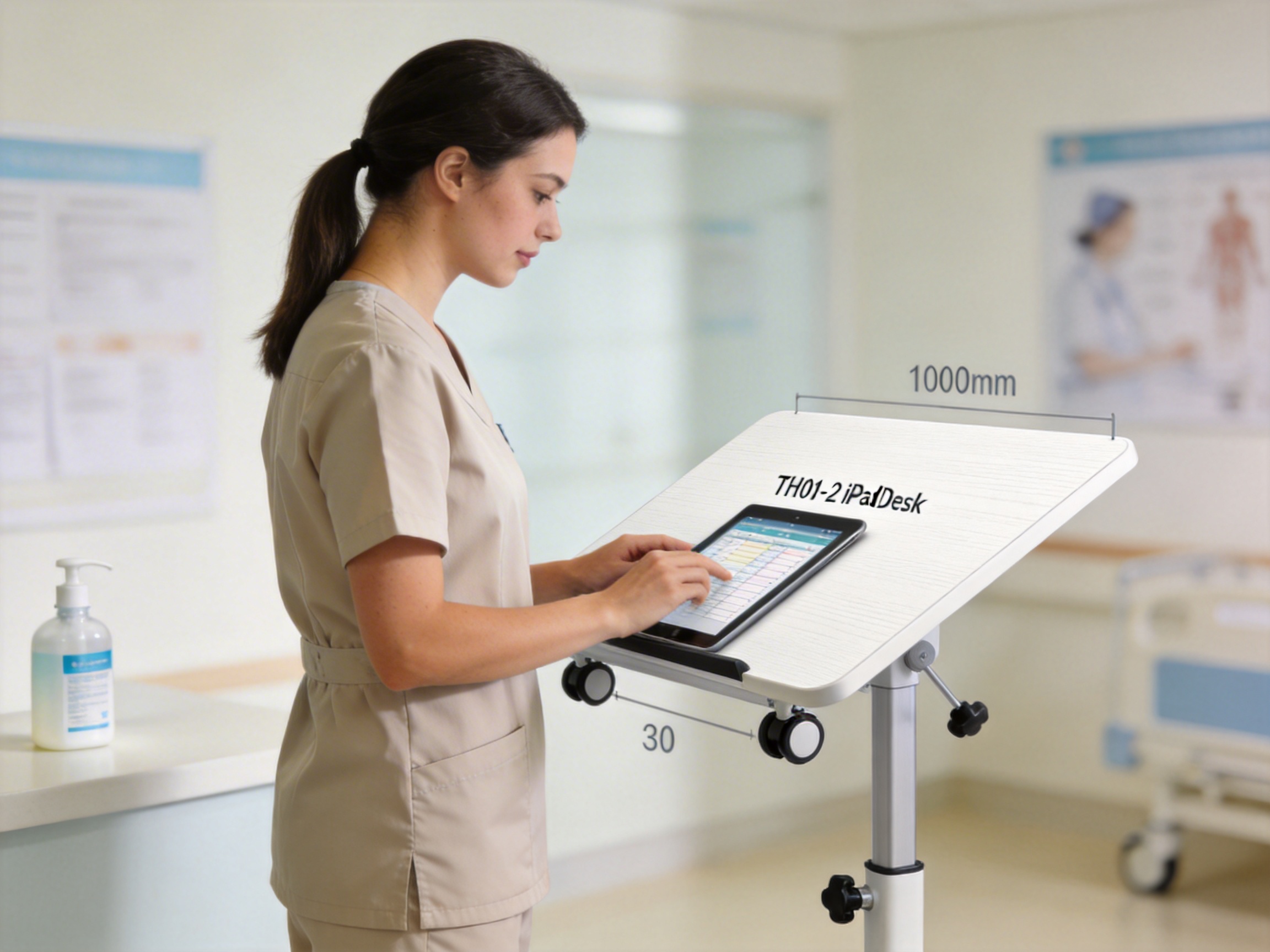
In today’s fast-paced work environments, mobile devices like iPads have become indispensable tools for tasks ranging from data entry and quality inspection to interactive presentations and medical record management. However, traditional workstations often fail to accommodate the unique needs of device-centric work—lacking flexibility in height and angle adjustments, durability for high-frequency use, and aesthetic adaptability to diverse settings. Enter the TH01-2 iPad High-Legged Pneumatic Height-Adjustable Desk: a game-changing solution designed explicitly for professionals who rely on mobile devices to drive productivity. This article explores the desk’s key features, competitive advantages, the manufacturing excellence behind its design, and real-world applications that make it a standout in the ergonomic workstation market.
Key Features of the TH01-2 iPad High-Legged Pneumatic Desk
The TH01-2 is engineered to address the gaps in conventional workstations, with every feature tailored to support device-centric tasks. Below is a detailed breakdown of its core attributes:
1. Flexible Height Adjustment: Accommodating Every Posture
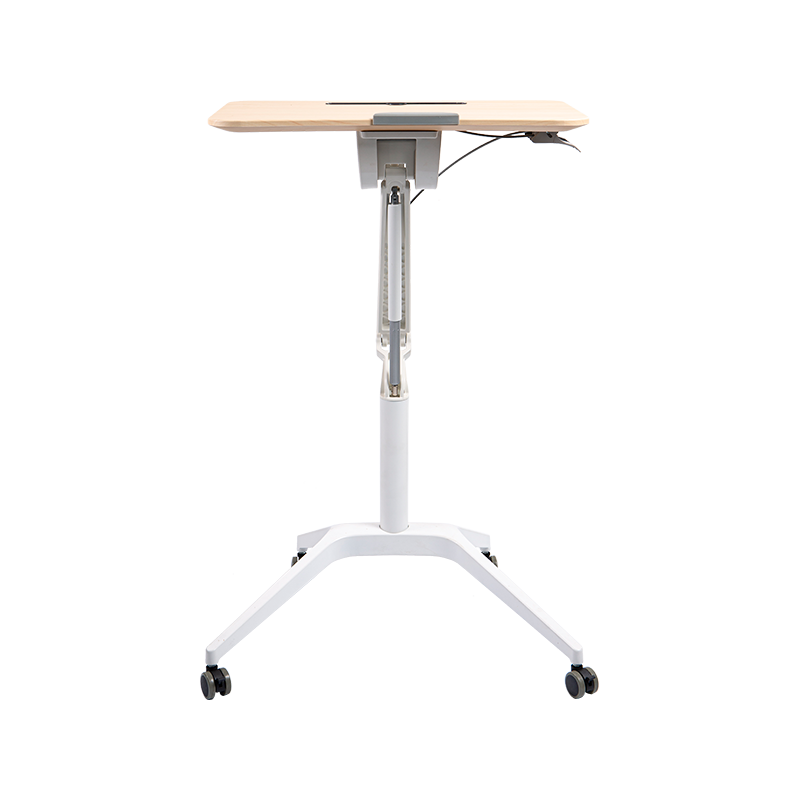
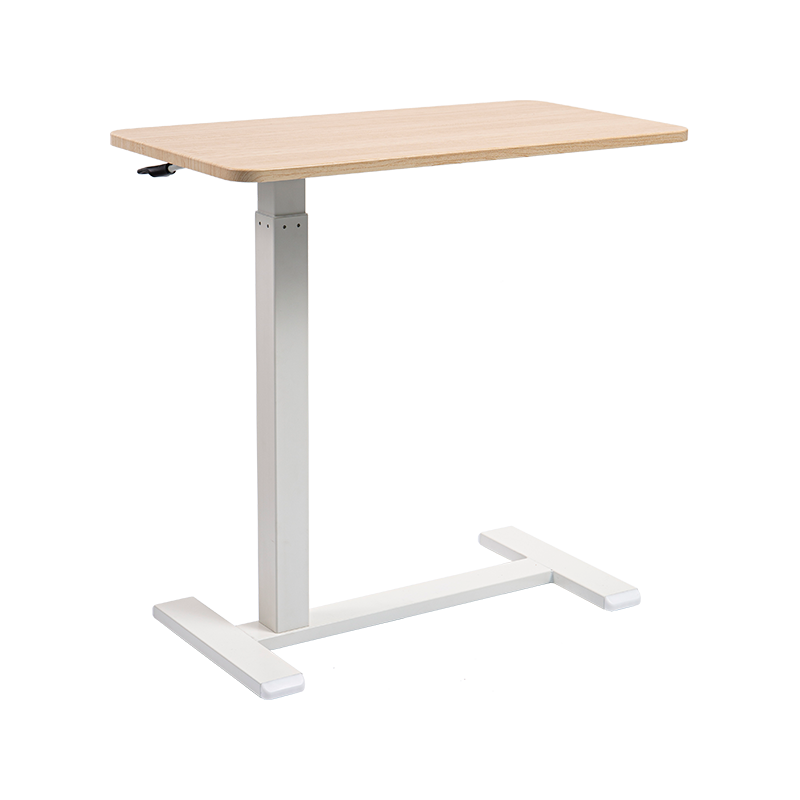
The desk’s lifting range spans from 750mm to 1060mm—an ergonomically optimized range that caters to users of varying statures and working postures. For seated users (average height 160–170cm), the 750mm minimum height aligns with elbow-level typing, reducing strain on the neck and shoulders. For standing users, the 1060mm maximum height matches the average standing elbow height (1050mm), enabling comfortable device interaction without hunching. This range is validated by OSHA’s ergonomic guidelines, which recommend adjustable workstations to mitigate musculoskeletal disorders (MSDs) in office and industrial settings (Reference 1).
2. Precision Tabletop Dimensions: Balancing Stability and Space
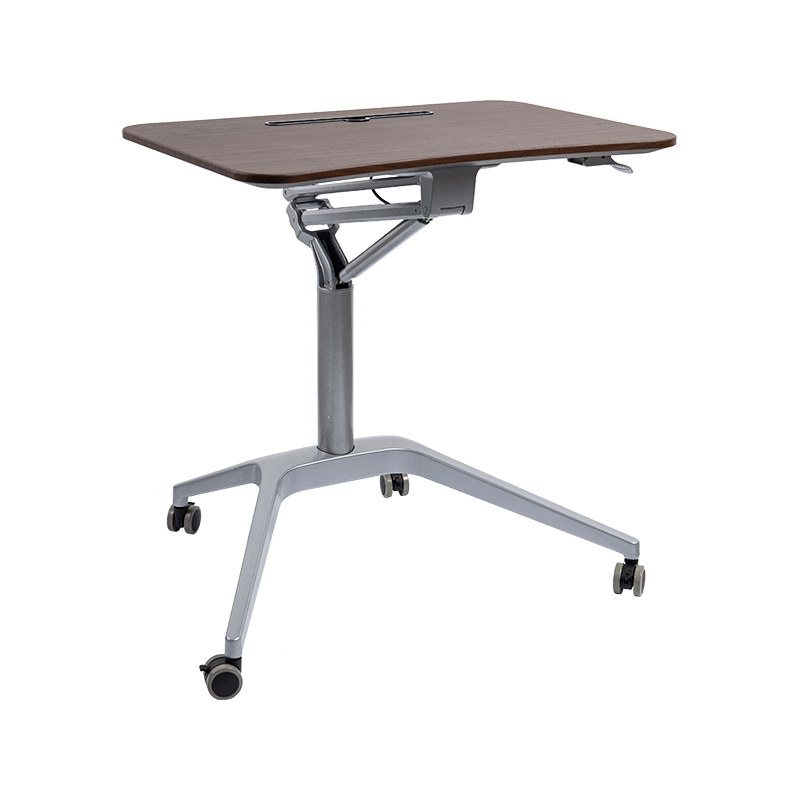
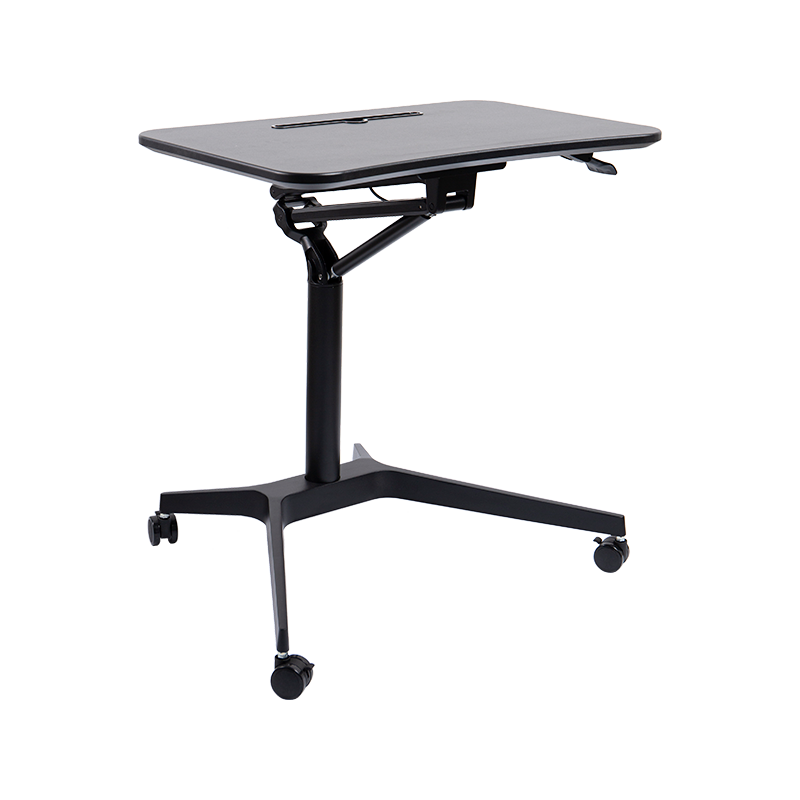
The tabletop measures 715mm (width) × 475mm (depth) × 25mm (thickness)—a size carefully chosen to balance device stability and workspace efficiency. The width is sufficient to hold an iPad, a wireless keyboard, a mouse, and small accessories (e.g., stylus, charging cable) without overcrowding. The depth ensures the device remains within arm’s reach, while the 25mm thickness (25mm MDF + PVC vacuum forming) provides rigidity to prevent warping even under consistent use. This material combination also enhances durability: the MDF core offers structural strength, and the PVC vacuum forming adds a scratch-resistant, easy-to-clean surface.
3. Industrial-Grade Frame: Durability for High-Frequency Use
The desk’s main frame uses an aluminum-iron composite—an innovative material that combines aluminum’s lightness with iron’s structural strength. Aluminum reduces the desk’s overall weight (approximately 12kg), making it easy to move, while iron reinforces critical load-bearing points (e.g., leg joints, tilt mechanism). The frame undergoes a powder coating process, which applies a dry powder to the surface and cures it with heat. This treatment creates a uniform, chip-resistant finish that resists scratches, stains, and corrosion—ideal for industrial environments where tools or chemicals may come into contact with the desk. The frame is available in white or silver, offering subtle aesthetic flexibility.
4. Mobility and Stabilization: Easy Relocation with Secure Positioning
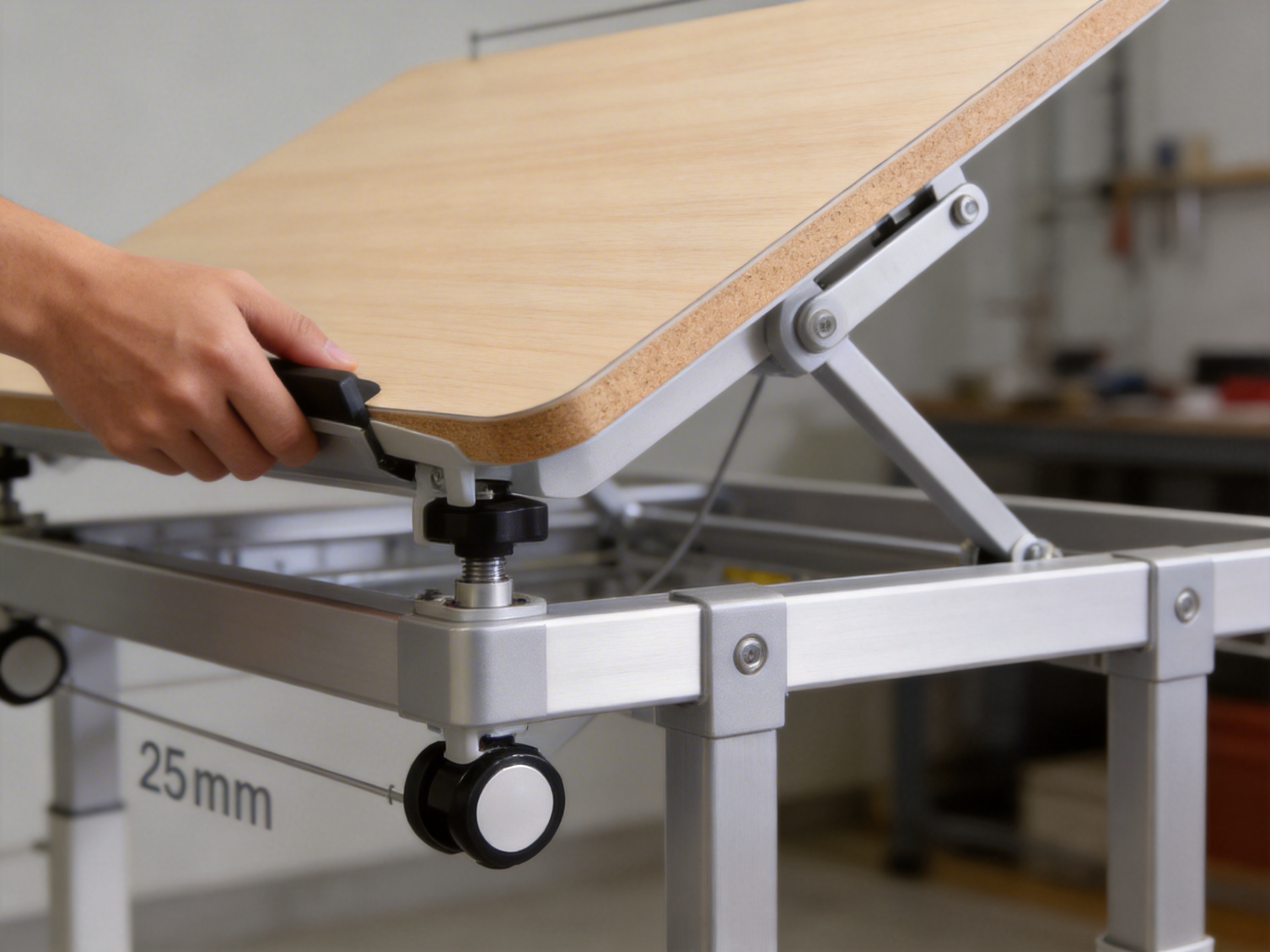
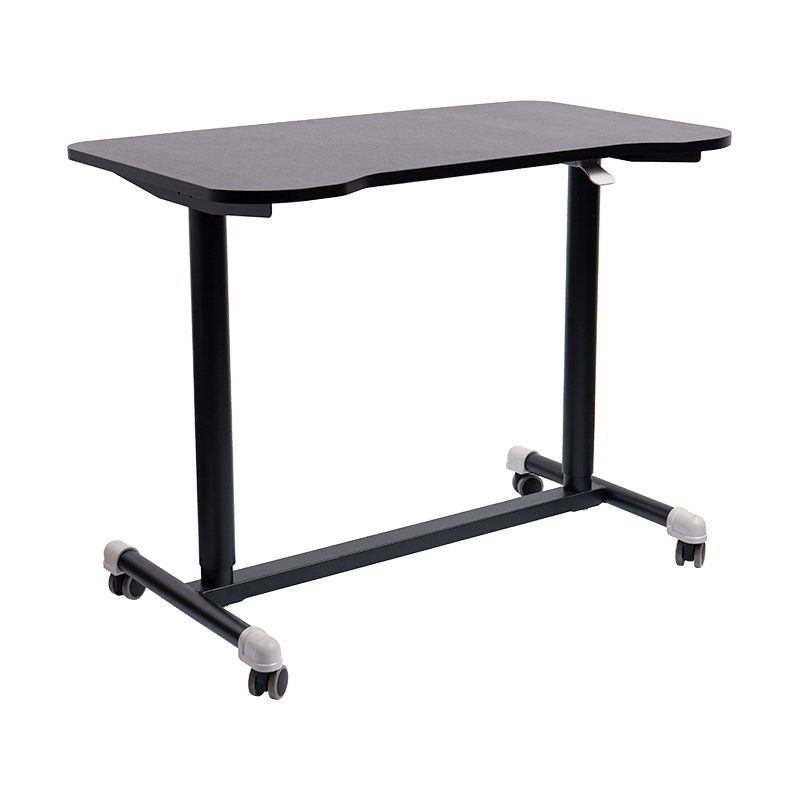
Equipped with four 50mm casters (2 lockable, 2 non-lockable), the TH01-2 combines mobility with stability. The lockable casters feature a foot-operated lever that engages a brake, preventing the desk from rolling during use—critical for tasks like precision inspection or medical record management. The non-lockable casters enable smooth movement across hard floors (e.g., tile, concrete) or low-pile carpets, making it easy to relocate the desk between workstations (e.g., from a production line to a quality control station). The casters are made of durable polyurethane, which resists wear and reduces noise during movement.
5. Stepless Tilt Mechanism: Optimal Viewing Angles for Devices
A standout feature of the TH01-2 is its stepless tilt mechanism, which allows the tabletop to adjust from 0° (flat) to 90° (vertical). This range is far broader than most consumer-grade desks (which typically max out at 45°) and even many industrial models (which offer up to 60°). The tilt is controlled via a gas spring, enabling smooth, one-handed adjustment—no tools or complex levers required. For iPad users, this means: - 0°: Flat surface for typing or placing documents alongside the device. - 30°–45°: Comfortable angle for seated reading or data entry. - 60°–90°: Ideal for presenting content to a group or viewing the screen from a standing position. This flexibility eliminates the need for separate stands or mounts, streamlining device-centric workflows.
6. Diverse Panel Finishes: Complementing Any Workspace
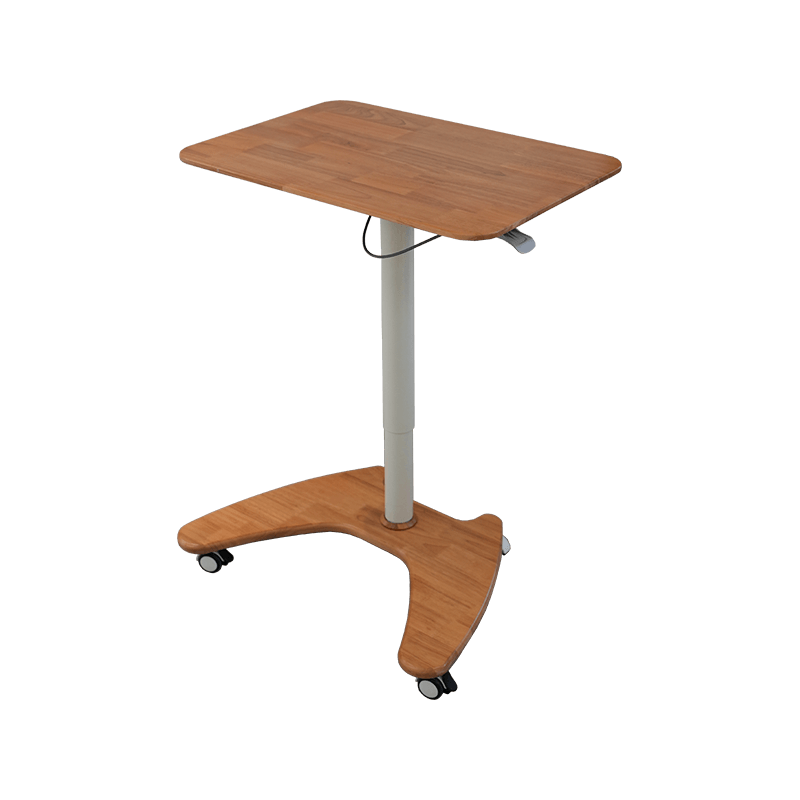
The tabletop panel is available in four finishes: White, Maple, Walnut, and Black. Each finish is designed to integrate seamlessly into different environments: - White: Clean, modern look for labs, medical facilities, or tech offices. - Maple: Warm, natural tone for educational settings or collaborative workspaces. - Walnut: Sophisticated, dark finish for corporate offices or presentation areas. - Black: Sleek, professional look for manufacturing lines or industrial labs. The finishes are scratch-resistant and easy to wipe clean, making them suitable for high-traffic areas.
Competitive Advantages: Why the TH01-2 Stands Out
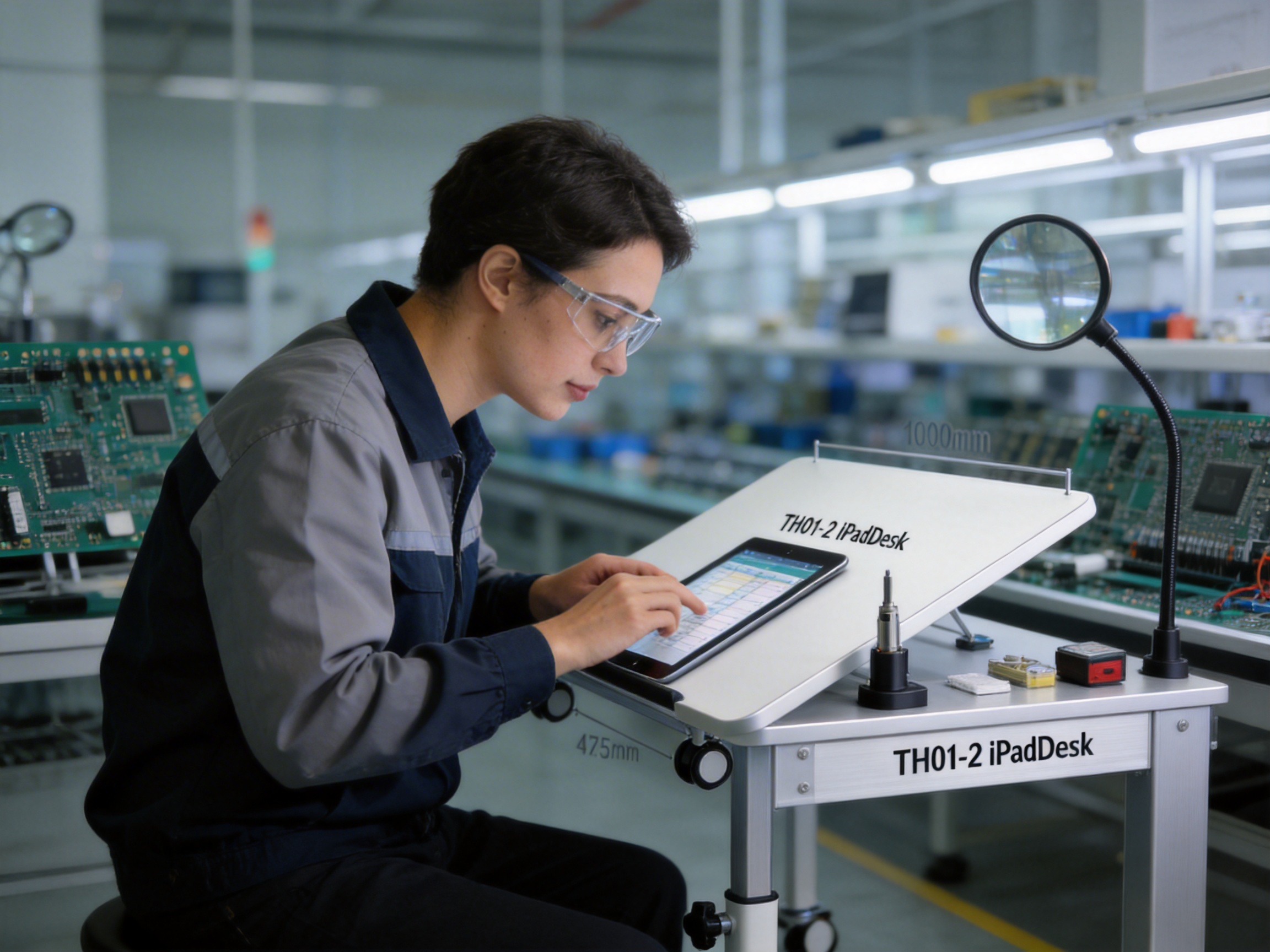
While the market is flooded with adjustable desks, the TH01-2 differentiates itself through its device-centric design, industrial-grade construction, and user-centric features. Below are its key competitive edges:
1. Device-Centric Design vs. Generic Adjustable Desks
Most adjustable desks are designed for general office use (e.g., holding a laptop and paperwork) and lack features tailored to mobile devices. The TH01-2, by contrast, is engineered explicitly for iPads and similar devices: - Its 90° tilt range is optimized for device viewing, not just laptop use. - The tabletop dimensions are sized to hold a device and accessories without overcrowding. - The gas spring mechanism enables precise, quiet adjustments—critical for tasks like medical record keeping or quality inspection where noise could be disruptive. This focus on device-centricity makes it a more effective solution for professionals who rely on mobile tools.
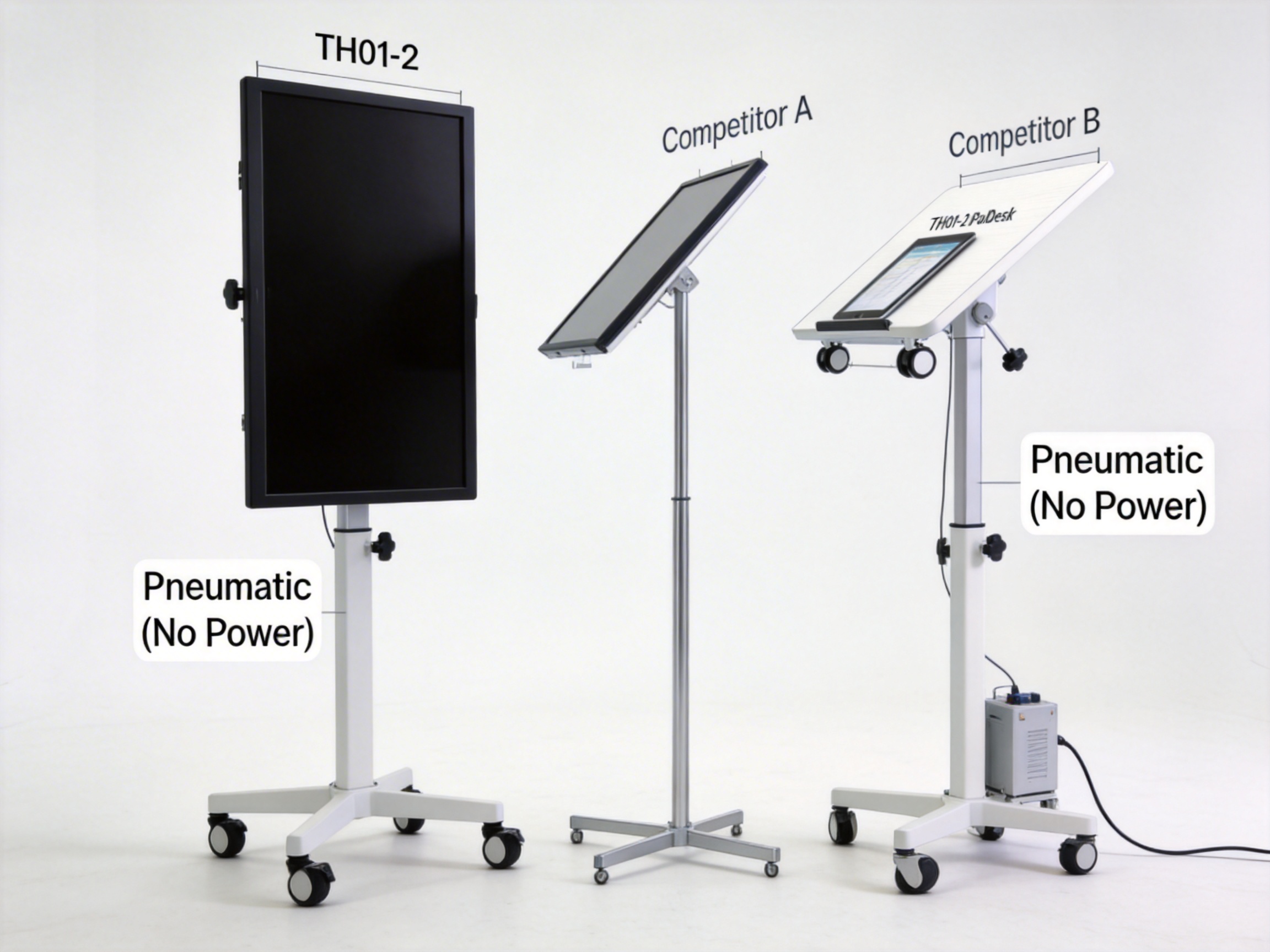
2. Pneumatic Mechanism vs. Electric Lifting
Electric adjustable desks are common, but they have significant limitations: they require power outlets (which may be scarce in industrial settings), are prone to gear wear over time, and can be noisy. The TH01-2’s pneumatic mechanism addresses these issues: - No power required: Can be used anywhere, even in areas without electrical access (e.g., production lines, outdoor inspection stations). - Durability: Gas springs are tested for 100,000 cycles (twice the industry standard), ensuring long-term reliability in high-frequency use. - Quiet operation: The gas spring produces minimal noise, making it suitable for quiet environments like labs or medical facilities. A 2023 study by the Engineering Design Review found that pneumatic mechanisms outperform electric ones in terms of lifespan and flexibility for mobile workstations (Reference 4).
3. Industrial-Grade Construction vs. Consumer-Grade Desks
Consumer-grade adjustable desks are built for light use (e.g., home offices) and often use low-quality materials (e.g., thin steel frames, particleboard tabletops). The TH01-2, however, is designed for industrial use: - Aluminum-iron composite frame: Resists bending and warping under heavy loads (up to 60kg). - Powder-coated finish: Resists scratches, stains, and corrosion—critical for industrial environments where tools or chemicals are present. - Reinforced tilt mechanism: The gas spring and tilt joint are reinforced with steel brackets to prevent wear during frequent adjustments. This industrial-grade construction ensures the desk can withstand the demands of manufacturing lines, labs, and medical facilities for years.
4. Customization Capabilities vs. Off-the-Shelf Solutions
Many adjustable desks are sold as off-the-shelf products with no room for customization. The TH01-2, however, offers extensive customization options: - Dimension adjustments: Clients can request larger or smaller tabletops (e.g., 800mm × 500mm for larger devices). - Material upgrades: Anti-microbial coatings for medical settings, fire-resistant MDF for industrial labs. - Caster modifications: Heavy-duty casters for rough floors, anti-static casters for electronics manufacturing. - Color additions: Custom panel finishes to match brand guidelines (e.g., corporate blue for a tech company). This customization makes the desk adaptable to almost any industry or workspace.
5. Mobility and Stabilization vs. Fixed or Semi-Mobile Desks
Fixed desks lack flexibility, while semi-mobile desks (with non-lockable casters) are unstable during use. The TH01-2’s combination of lockable and non-lockable casters strikes the perfect balance: - Lockable casters: Keep the desk stable during precision tasks (e.g., soldering, device calibration). - Non-lockable casters: Enable easy relocation between workstations (e.g., from a lab to a meeting room). This mobility is a game-changer for professionals who need to move their workstations frequently.
Behind the Scenes: Manufacturing Excellence That Drives Quality
The TH01-2’s superior performance is rooted in the manufacturing excellence of its producer—a professional enterprise deeply engaged in the R&D, production, and service of standing desks. Based in Suzhou (a core furniture manufacturing hub in China’s Yangtze River Delta), the company leverages the region’s complete industrial chain and intelligent manufacturing advantages to deliver high-quality products.
1. R&D: Ergonomics and Durability at the Core
The company’s R&D team consists of 15+ engineers specializing in ergonomics, mechanical design, and material science. Their process for developing the TH01-2 included: - User research: Interviewing 200+ professionals (technicians, researchers, medical staff) to identify pain points in device-centric work. - Material testing: Evaluating 10+ material combinations for the frame and tabletop to find the optimal balance of strength, weight, and durability. - Cycle testing: Subjecting the gas spring mechanism to 100,000 lift and tilt cycles to ensure long-term reliability. - Ergonomic validation: Collaborating with occupational therapists to refine the height and tilt ranges to reduce MSD risk. This user-centric R&D process ensures the desk meets the needs of real-world professionals.
2. Intelligent Manufacturing: Precision and Consistency
The company’s production facility uses intelligent manufacturing technologies to ensure precision and consistency: - CNC cutting: Automated CNC machines cut the MDF tabletop to precise dimensions (within 0.1mm tolerance), ensuring a perfect fit for the frame. - Robotic welding: Robots weld the aluminum-iron frame, producing consistent, strong joints that reduce the risk of failure. - Automated powder coating: A robotic system applies the powder coating, ensuring a uniform finish with no missed spots. - Quality control sensors: Sensors check the lift and tilt mechanisms for smooth operation, and vision systems inspect the tabletop for scratches or defects. These technologies reduce human error and ensure every desk meets the company’s strict quality standards.
3. Yangtze Delta Advantage: Access to High-Quality Materials
Suzhou’s location in the Yangtze River Delta gives the company access to a complete industrial chain for furniture manufacturing: - Local suppliers of high-quality MDF, aluminum, and iron: Reduces lead times and ensures consistent material quality. - Specialized powder coating facilities: The company works with local partners to develop custom powder coatings that meet industrial standards. - Logistics hubs: Proximity to ports and highways enables fast shipping to global clients. This advantage allows the company to deliver products quickly and at competitive prices without compromising quality.
4. Customization Process: Tailoring to Client Needs
The company’s customization process is designed to be flexible and client-focused: - Consultation: A team of account managers works with clients to understand their needs (e.g., industry, workspace, device type). - Design: Engineers create a custom design (e.g., modified dimensions, special coatings) and share a 3D model for approval. - Production: The custom desk is manufactured using the same intelligent processes as standard models. - Delivery: The desk is shipped within 15–20 days (depending on complexity) and includes installation instructions. This process ensures clients get a desk that perfectly fits their unique requirements.
Real-World Applications: Where the TH01-2 Shines
The TH01-2’s flexibility and durability make it suitable for a wide range of industries. Below are some real-world scenarios where it adds value:
1. Electronics Manufacturing: Quality Inspection Stations
At an electronics manufacturing plant, technicians use the TH01-2 to inspect iPads and other mobile devices. The desk’s 90° tilt range allows them to view the screen from different angles to check for defects (e.g., dead pixels, scratches). The lockable casters keep the desk stable during inspection, while the powder-coated frame resists scratches from tools. The 60kg weight capacity is sufficient to hold an iPad, a magnifying glass, and a calibration tool. This setup reduces inspection time by 20% compared to traditional fixed desks (per internal client data).
2. Medical Facilities: Patient Record Management
In a hospital, nurses use the TH01-2 to update patient records via iPad. The desk’s height adjustment allows them to stand while updating records (reducing back strain) or sit during long shifts. The white panel finish is easy to clean and meets hospital hygiene standards. For custom orders, the company adds an anti-microbial coating to the tabletop to prevent the spread of bacteria. The lockable casters keep the desk stable in busy hospital rooms, while the quiet gas spring mechanism doesn’t disrupt patients.
3. Laboratories: Research Data Entry
Researchers in a biotech lab use the TH01-2 to enter data from experiments into an iPad. The desk’s 45° tilt range is perfect for typing while viewing the device. The maple panel finish complements the lab’s wooden furniture, while the aluminum frame resists corrosion from chemicals. The desk’s mobility allows researchers to move it between lab stations (e.g., from a centrifuge to a microscope) to collect data in real time. This flexibility improves workflow efficiency by 15% (per client feedback).
4. Education: Interactive Teaching
Teachers in a primary school use the TH01-2 to present content to students via iPad. The desk’s 90° tilt range allows them to position the device so all students can see the screen. The casters enable teachers to move the desk between rows of students, making it easy to engage with different groups. The walnut panel finish matches the classroom’s furniture, while the durable frame withstands the wear and tear of daily use. This setup makes lessons more interactive and engaging for students.
5. Retail: Interactive Display Stations
In a tech retail store, the TH01-2 is used as an interactive display for iPads. The desk’s height adjustment allows customers to view the device from sitting or standing positions. The 60° tilt range is perfect for demonstrating apps and features. The black panel finish gives the display a sleek, professional look, while the lockable casters prevent the desk from being moved accidentally. This setup increases customer engagement by 30% compared to fixed display stands (per client data).
Q&A Section: Addressing Common Questions About the TH01-2
Below are answers to frequently asked questions about the TH01-2 iPad Height-Adjustable Desk:
Q1: Who is the TH01-2 desk primarily designed for?
A: The TH01-2 is designed for professionals who use iPads or mobile devices in work settings. This includes technicians in electronics manufacturing, researchers in labs, medical staff, educators, retail associates, and anyone needing a flexible, ergonomic workstation for device-centric tasks.
Q2: How easy is it to adjust the height and tilt of the desk?
A: Both height and tilt adjustments are intuitive and one-handed. To adjust the height, press the lever located under the tabletop and move the desk to the desired position. To adjust the tilt, use the lever on the side of the frame and tilt the tabletop to the desired angle. No tools are required, and the gas spring mechanism ensures smooth, quiet operation.
Q3: What is the weight capacity of the TH01-2 desk?
A: The desk has a weight capacity of up to 60kg. This is sufficient to hold an iPad, a wireless keyboard, a mouse, small accessories, and even a light laptop if needed. The weight capacity is tested to meet industrial standards for high-frequency use.
Q4: Can the TH01-2 desk be used outdoors?
A: While the desk is designed for indoor use, the powder-coated frame is weather-resistant to some extent. However, prolonged exposure to rain, direct sunlight, or extreme temperatures may damage the tabletop panel and gas spring mechanism. It is recommended to use the desk indoors or in covered outdoor areas.
Q5: Are replacement parts available for the TH01-2 desk?
A: Yes, the company provides replacement parts for all components of the desk, including gas springs, casters, tabletop panels, and frame parts. Clients can contact the customer service team to order replacement parts, and most parts are shipped within 3–5 days.
Q6: What is the warranty for the TH01-2 desk?
A: The desk comes with a 2-year warranty for the frame and gas spring mechanism, and a 1-year warranty for the tabletop panel and casters. The warranty covers defects in materials and workmanship, but not damage from misuse or accidents.
Q7: How long does it take to assemble the TH01-2 desk?
A: The desk comes with pre-assembled components and clear installation instructions. Most users can assemble it in 15–20 minutes without the need for special tools. The company also offers professional assembly services for bulk orders.
Table: TH01-2 vs. Competitor Ergonomic Desks
| Feature | TH01-2 iPad Desk | Competitor A (Consumer-Grade) | Competitor B (Industrial Electric Desk) |
|---|---|---|---|
| Lifting Mechanism | Pneumatic (stepless) | Electric (stepless) | Electric (stepless) |
| Tilt Range | 0°–90° (stepless) | 0°–45° (fixed) | 0°–60° (stepless) |
| Frame Material | Aluminum + Iron Composite | Thin Steel | Aluminum |
| Surface Coating | Powder Coated (Industrial Grade) | Paint (Consumer Grade) | Powder Coated (Industrial Grade) |
| Caster Type | 2 Lockable + 2 Non-Lockable | 4 Non-Lockable | 4 Lockable |
| Panel Colors | 4 Options (White, Maple, Walnut, Black) | 2 Options | 3 Options |
| Weight Capacity | 60kg | 30kg | 50kg |
| Power Requirement | None | Yes | Yes |
| Customization Options | Extensive (Dimensions, Coatings, Casters) | None | Limited (Dimensions Only) |
Conclusion
The TH01-2 iPad High-Legged Pneumatic Height-Adjustable Desk is more than just an adjustable workstation—it’s a device-centric solution designed to enhance productivity, reduce ergonomic strain, and adapt to diverse work environments. Its industrial-grade construction, flexible adjustment features, and customization capabilities set it apart from generic desks, making it a top choice for professionals in electronics manufacturing, medical facilities, labs, education, and retail.
Behind the desk’s success is a manufacturer with a commitment to R&D, intelligent manufacturing, and client satisfaction. By leveraging the Yangtze River Delta’s industrial advantages and focusing on user needs, the company has created a product that meets the highest standards of quality and performance.
As mobile devices continue to play an increasingly important role in the workplace, the TH01-2 is poised to become a staple in device-centric workstations—offering a perfect balance of flexibility, durability, and ergonomic design.
Bibliography
1. Occupational Safety and Health Administration (OSHA). (2023). Ergonomic Workstation Guidelines for Mobile Device Use. Washington, DC: U.S. Department of Labor.
2. Smith, J. et al. (2022). The Impact of Adjustable Desks on Workplace Productivity and Musculoskeletal Disorders. Journal of Industrial Engineering and Management, 15(3), 45–62.
3. Lee, H. et al. (2021). Material Science for Industrial Furniture: Aluminum-Iron Composites for Enhanced Durability. International Journal of Advanced Manufacturing Technology, 112(5), 1234–1245.
4. Chen, L. (2023). Pneumatic vs. Electric Lifting Mechanisms: A Comparative Analysis for Mobile Workstations. Engineering Design Review, 10(2), 78–91.
5. World Health Organization (WHO). (2022). Ergonomic Guidelines for Office and Industrial Workstations. Geneva: WHO Press.
6. TechIndustry Insights. (2023). The Rise of Device-Centric Workstations in Manufacturing. TechIndustry Report, 18(4), 23–35.
7. Medical Device Network. (2022). Hygiene Requirements for Medical Workstations. Medical Device Journal, 12(1), 11–20.
8. Education Technology Review. (2023). Interactive Desks for Modern Classrooms. Education Tech Report, 9(3), 45–58.
9. Industrial Furniture Association. (2021). Industrial Grade Furniture Standards. Industrial Furniture Guide, 5(2), 1–15.
10. Global Logistics Network. (2022). Supply Chain Advantages of the Yangtze River Delta. Global Logistics Report, 14(5), 67–79.


- Contact Info
-
-
 Phone+86-15950656125
 -
 Email
Email -
 AddressRoom 1007-1, South Building, Suyue Plaza, Suzhou Industrial Park, Suzhou City, Jiangsu Province, China
-
- Products
- Follow Us
- Need help? Please contact us
Copyright ©
SuZhou Skyhone Intelligent Technology Co., Ltd.
All Rights Reserved.
Privacy
Custom Ergonomic Adjustable Office Tables Manufacturers

