

 English
 русский
 Español
 عربى

Content
- 1 Overview of the Heavy-Duty Actuation Concept
- 2 Core Performance Specifications
- 3 Force Capability for Demanding Applications
- 4 Integrated Motor and Transmission Design
- 5 Protection, Control, and Operational Reliability
- 6 Manufacturing Strengths Reflected in the Product Design
- 7 Advantages Compared with Pneumatic and Hydraulic Alternatives
- 8 Application Areas
- 9 Engineering and Installation Considerations
- 10 Maintenance and Serviceability
- 11 Why the TH-06 Is a Versatile Platform
- 12 Selection Guidance for Equipment Manufacturers
- 13 Q&A
- 13.1 What type of product is the TH-06?
- 13.2 How much force can the actuator provide?
- 13.3 Is the actuator suitable for vertical lifting?
- 13.4 What power supply does the TH-06 require?
- 13.5 What is the operating speed?
- 13.6 Does the actuator have self-locking capability?
- 13.7 What protection features are included?
- 13.8 What does IP54 mean for the TH-06?
- 13.9 Can the TH-06 replace pneumatic or hydraulic cylinders?
- 13.10 What are the main advantages over hydraulic systems?
- 13.11 What are the main advantages over pneumatic systems?
- 13.12 Is the actuator suitable for continuous operation?
- 13.13 Can the actuator be customized?
- 13.14 What industries can use the TH-06?
- 13.15 What should be checked before installation?
- 14 Conclusion
- 15 References
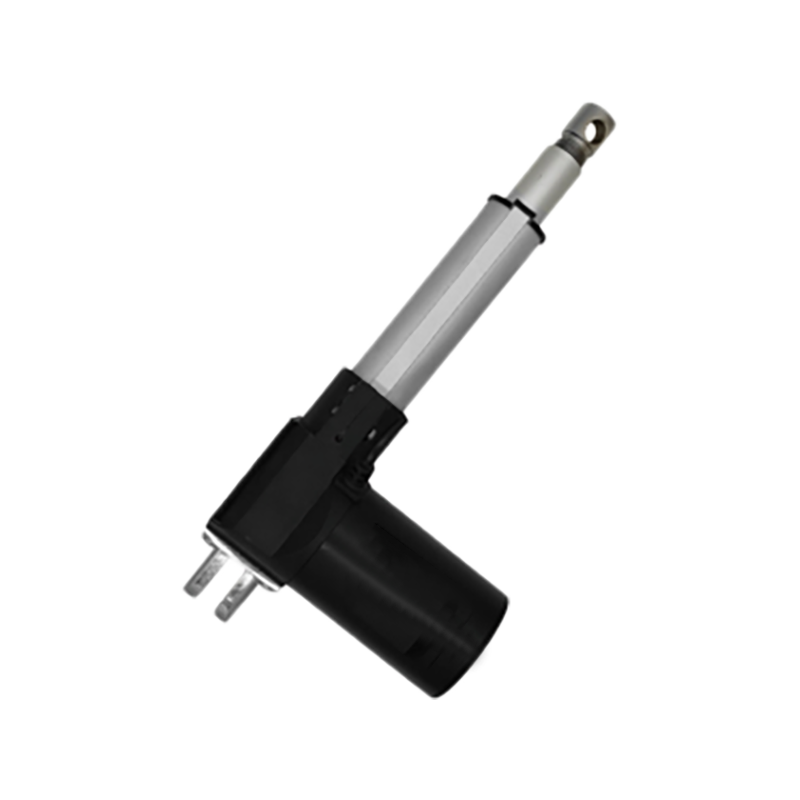
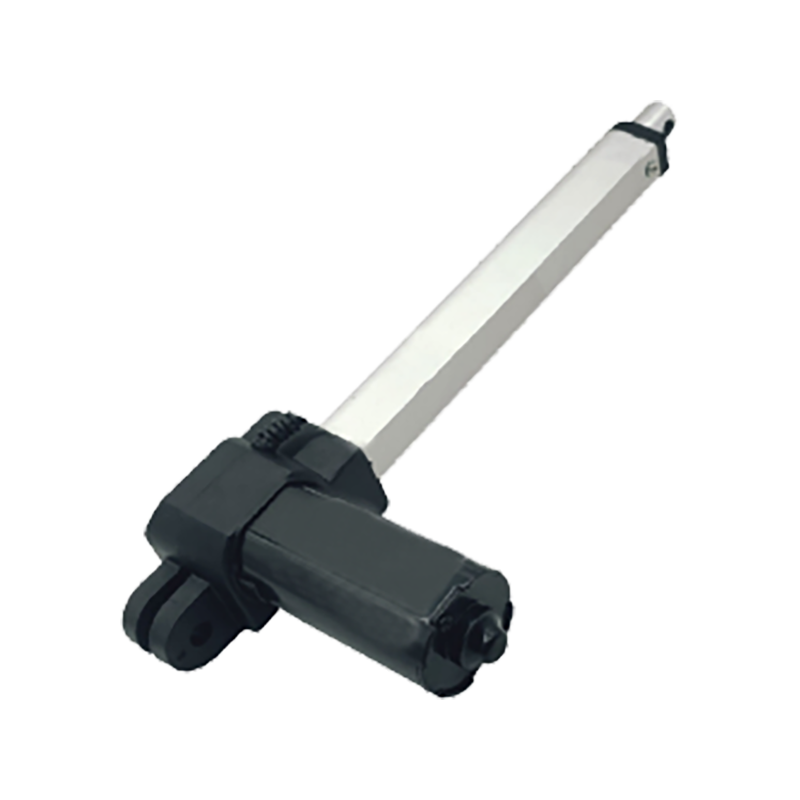
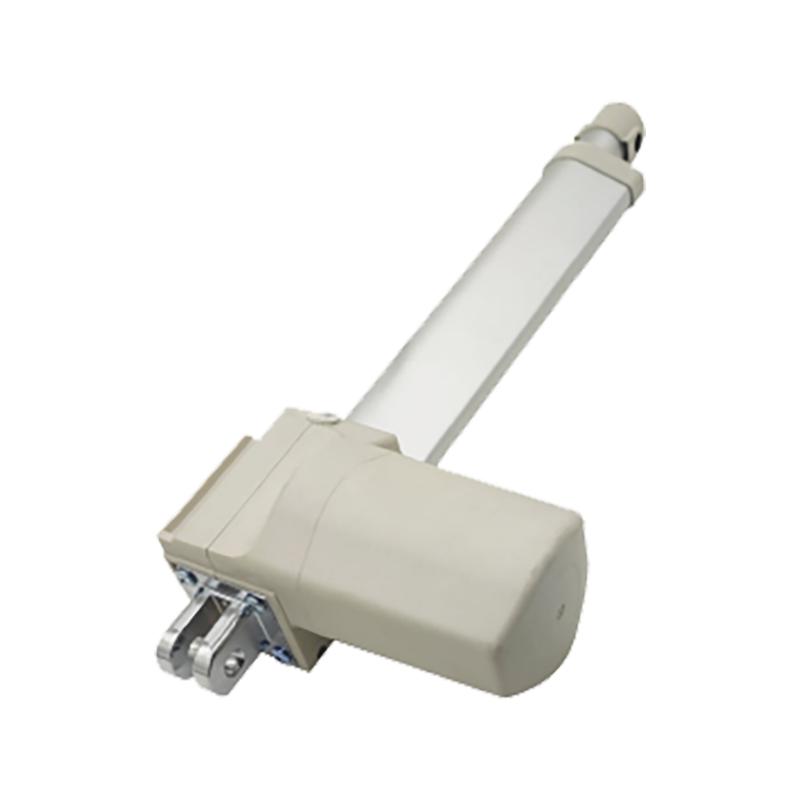
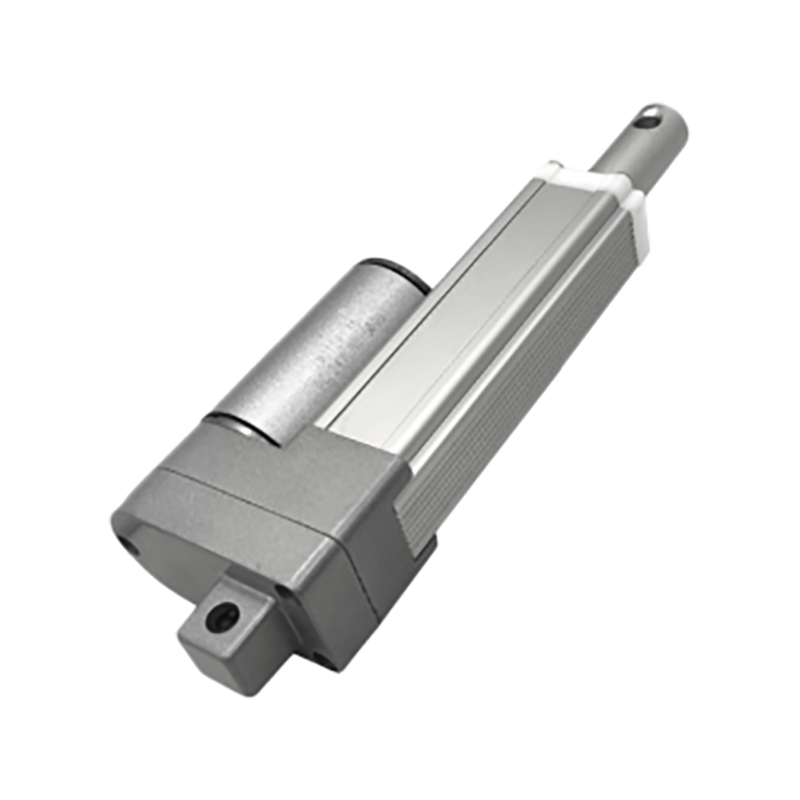
- 16 Product: TH-06 Heavy-Duty Electric Linear Actuator for Universal Applications
TH-06 Heavy-Duty Electric Linear Actuator for Universal Applications
2026-09-01
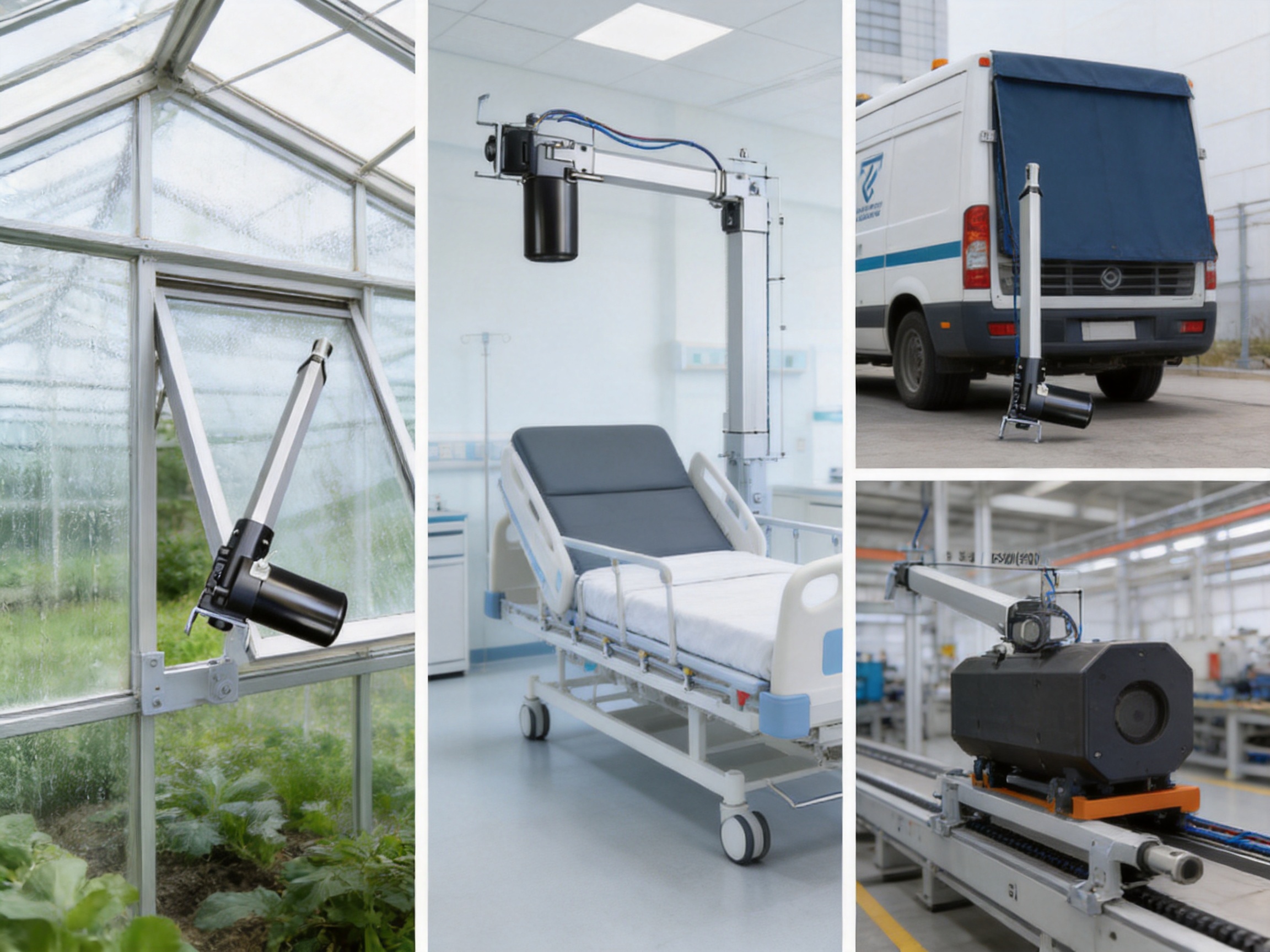
Modern automation increasingly depends on compact, reliable, and controllable motion systems. Equipment designers need linear actuators that can generate substantial force, maintain a load securely when stationary, operate with limited maintenance, and integrate into different mechanical structures without extensive redesign. The TH-06 Heavy-Duty Electric Linear Actuator is designed to address these requirements across a broad range of industrial, commercial, medical, agricultural, and mobile-equipment applications.
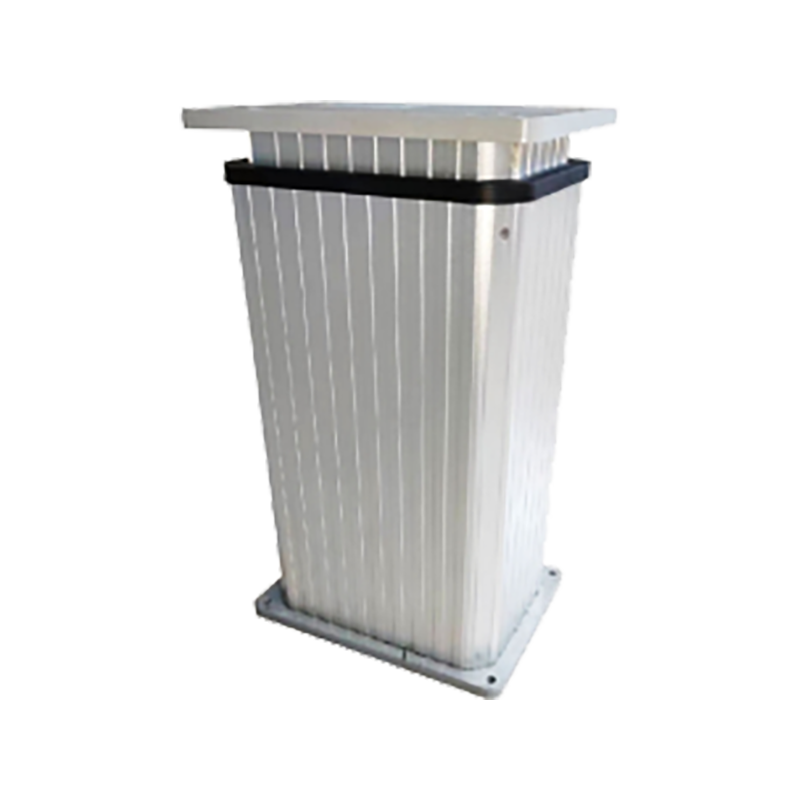
Built around a 24VDC electric drive system, the TH-06 combines a high-power brushed DC motor, a thickened metal reduction gearbox, a trapezoidal lead screw, electronic limit switches, and overload protection within a full aluminum alloy housing. Its rated push force reaches 6000N, while its pull force and self-locking force reach 4000N. With a no-load extension and retraction speed of 5mm/s, the actuator is positioned for controlled, dependable movement rather than high-speed positioning alone.
This balance makes the product suitable for medium- to heavy-duty linear push-pull tasks. It can support lifting, opening, closing, tilting, pressing, adjusting, and positioning functions in equipment where traditional hydraulic or pneumatic cylinders may introduce unnecessary complexity. The electrically powered design eliminates the need for hydraulic oil, pumps, hoses, compressors, and many of the supporting components associated with fluid-power systems.
The actuator is also designed as a universal platform. Its standardized flange mounting holes simplify mechanical integration, while thrust, stroke, and mounting connectors can be customized for different projects. This flexibility allows equipment manufacturers to use one core actuator architecture across multiple product families, reducing development effort and supporting more efficient procurement and maintenance.
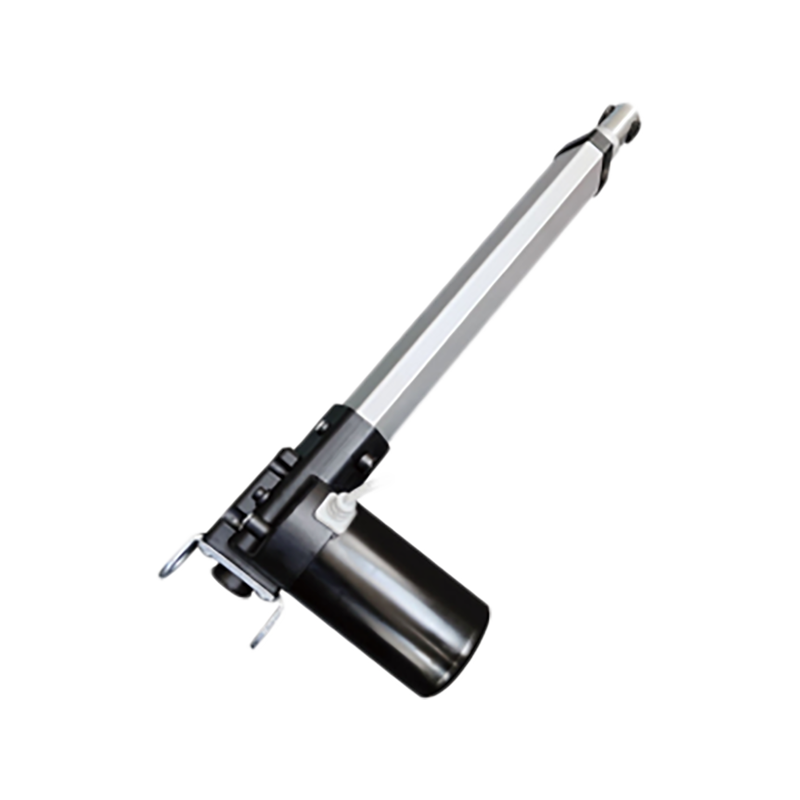
TH-06 Heavy-Duty Electric Linear Actuator for Universal Applications
Overview of the Heavy-Duty Actuation Concept
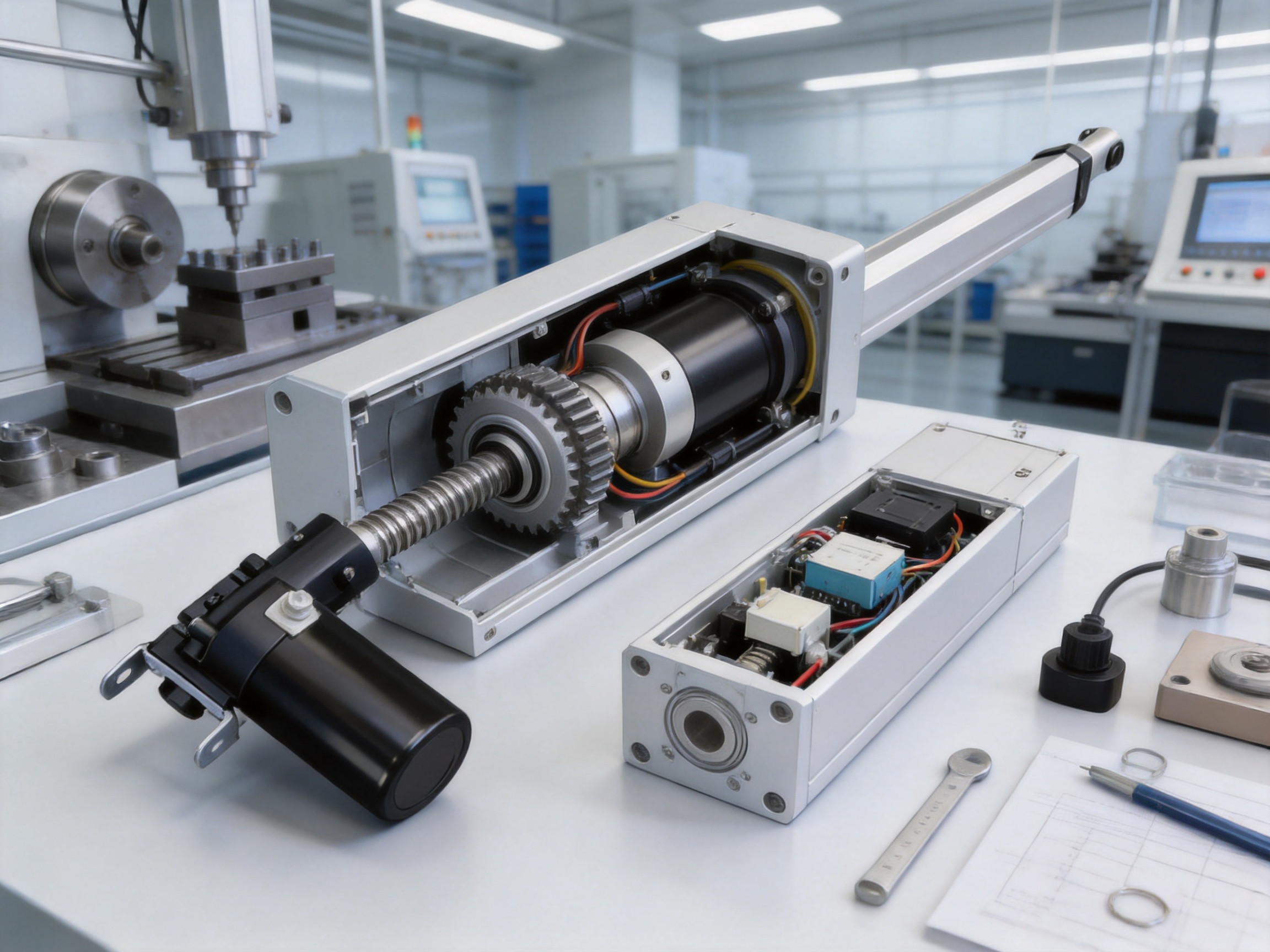
A linear actuator converts rotary motor motion into controlled linear movement. In the TH-06, the electric motor produces rotational torque, the reduction gearbox increases usable output torque, and the lead screw converts that rotational output into extension or retraction. This arrangement offers a practical combination of force, mechanical stability, and straightforward control.
Unlike a simple motor-driven mechanism, a complete industrial actuator must manage several demanding functions at the same time. It must produce sufficient force, resist unwanted movement when power is removed, protect its internal components from overload, stop accurately at the ends of its travel, withstand environmental exposure, and remain compatible with the equipment into which it is installed. The TH-06 addresses these functions as part of an integrated assembly.
The thickened full aluminum alloy casing provides a firm protective body for the internal drive components. Aluminum is particularly useful in actuator construction because it combines structural strength with relatively low weight and effective heat dissipation. The silver-black industrial finish also gives the product a professional appearance suitable for machinery, medical equipment, agricultural systems, and commercial installations.
The IP54 protection rating indicates protection against dust ingress at a level suitable for many indoor industrial environments and protection against water splashes from different directions. The actuator should still be installed according to the environmental conditions of the final application. Direct immersion, high-pressure washing, and severe outdoor exposure may require additional system-level protection.
Product safety and environmental compliance are supported by CE and RoHS certifications. These certifications help equipment builders evaluate the actuator for use in markets where electrical safety, electromagnetic considerations, and restrictions on hazardous substances are important. Final system compliance remains the responsibility of the equipment manufacturer, but certified components can simplify the evaluation and documentation process.
Core Performance Specifications
The TH-06 is engineered for applications where force and dependable holding capability are more important than rapid movement. Its principal specifications provide a clear basis for equipment selection.
| Parameter | Specification | Practical Significance |
|---|---|---|
| Product type | Heavy-duty electric linear actuator | Suitable for powered extension, retraction, lifting, opening, closing, and adjustment |
| Input voltage | 24VDC | Compatible with many industrial control systems, mobile platforms, and low-voltage equipment architectures |
| Maximum push force | 6000N | Supports substantial compressive loads in lifting and pushing applications |
| Maximum pull force | 4000N | Provides strong retraction capability for closing, lowering, and pulling operations |
| Self-locking force | 4000N | Helps hold a supported load in position when the actuator is not moving |
| Full-load working current | 4A | Provides a useful reference for power-supply and control-system sizing |
| No-load speed | 5mm/s | Provides steady, controlled linear movement |
| Protection rating | IP54 | Offers protection suitable for many dust-prone and splash-prone installations |
| Duty cycle | 10% intermittent duty | Suitable for repeated start-stop operation with appropriate rest periods |
| Limit control | Electronic limit switches | Stops movement at the ends of the stroke and helps prevent mechanical overtravel |
| Overload protection | Full-range overload protection | Helps reduce the risk of damage caused by excessive resistance or abnormal loading |
These specifications should always be evaluated together rather than individually. For example, the 6000N push rating does not mean that every installation can safely lift a 6000N load. Actual capacity depends on the mounting orientation, lever geometry, center of gravity, acceleration, friction, side loading, duty cycle, stroke length, and safety factor selected by the system designer.
Force Capability for Demanding Applications
The 6000N push force is one of the most important advantages of the TH-06. It gives designers considerable flexibility when developing equipment that must move heavy covers, platforms, panels, frames, or mechanical assemblies. A strong push rating is especially valuable in applications where the actuator must overcome static friction, an unfavorable mechanical angle, or the initial resistance of a loaded structure.
The 4000N pull force supports a wide range of retraction tasks. These may include drawing a cover closed, lowering an adjustable frame, retracting a support mechanism, returning a positioning assembly, or controlling the movement of a greenhouse window. The separate push and pull ratings reflect the way the actuator is mechanically designed and should be considered during load calculations.
The 4000N self-locking force is another important performance feature. When a lead-screw actuator stops, the screw and nut arrangement can resist back-driving caused by the external load. This means the actuator can help maintain a position without continuously consuming motor power. Self-locking is especially useful for adjustable structures, lifting mechanisms, medical beds, and access covers that must remain stable after adjustment.
Self-locking does not eliminate the need for proper mechanical safety measures. Equipment designers should assess the consequences of a possible load movement, select suitable brackets and fasteners, and consider secondary supports where a falling or shifting load could create a hazard. The actuator is a motion component, not a substitute for a complete safety system.
Compared with many light-duty actuators, the TH-06 offers a stronger force envelope and a more substantial housing. Compared with pneumatic systems, it can provide controlled force without a compressor or air preparation equipment. Compared with hydraulic cylinders, it offers a cleaner installation without oil lines, pumps, and the risk of hydraulic leakage. These advantages can reduce system complexity while preserving dependable linear motion.
Integrated Motor and Transmission Design
High-Power DC Brushed Motor
The TH-06 uses a high-power DC brushed motor as its primary drive source. Brushed DC motors remain widely used in industrial actuator systems because they provide useful starting torque, straightforward voltage control, and a practical balance between performance and cost. They can be integrated with relays, switches, control boards, and reversing circuits without requiring a complex motor-control architecture.
The 24VDC input is suitable for many factory-control environments and mobile applications. It can be supplied by an industrial power source, a battery system, or a regulated DC power unit, depending on the final equipment design. Low-voltage operation can also simplify integration into machinery where electrical safety, compact wiring, and compatibility with existing control panels are important.
With a full-load working current of 4A, the actuator provides designers with a clear starting point for selecting the power supply, wiring, fuse, relay, and controller. The actual starting or transient current may differ from the stated working current, so the complete electrical system should be sized with suitable allowance. Correct power planning helps the actuator achieve its intended force and prevents voltage drop during operation.
Thickened Metal Reduction Gearbox
The motor’s rotational speed is converted into usable actuator force through a thickened metal reduction gearbox. Gear reduction increases output torque while allowing the motor to operate in a practical speed range. The metal construction supports the heavy-duty positioning of the product and contributes to the actuator’s firm operating feel.
A robust gearbox is particularly important in applications that experience repeated starting and stopping. Each start places a demand on the motor and transmission, while each stop can produce reaction forces within the mechanical system. The TH-06 is designed for these general industrial cycles, provided that the load, rest period, and duty cycle remain within the intended operating conditions.
The integrated motor and gearbox design also reduces the number of separate components required by the equipment builder. Instead of creating a custom combination of motor, gearbox, screw, limit system, and housing, designers can begin with a pre-engineered actuator platform and focus on brackets, controls, and application-specific mechanical structures.
Trapezoidal Lead Screw and Mechanical Self-Locking
The trapezoidal lead screw provides the final conversion from rotary movement to linear movement. Its thread profile is well suited to applications requiring force transmission and resistance to back-driving. The screw mechanism supports the actuator’s self-locking behavior and helps keep a load stable when the motor is not energized.
Lead-screw systems generally favor force, control, and holding stability over high speed. This characteristic aligns with the TH-06’s 5mm/s no-load movement rate. The actuator is intended for controlled adjustments and robust positioning rather than rapid cycling at the speed of a high-performance servo axis.
Proper alignment is essential for lead-screw actuator life. The actuator should be mounted so that the load follows the intended line of action. Side loads, bending forces, and misaligned brackets can create resistance that is not represented by the nominal push or pull rating. A well-designed installation protects the screw, nut, gearbox, and housing while also improving operating consistency.
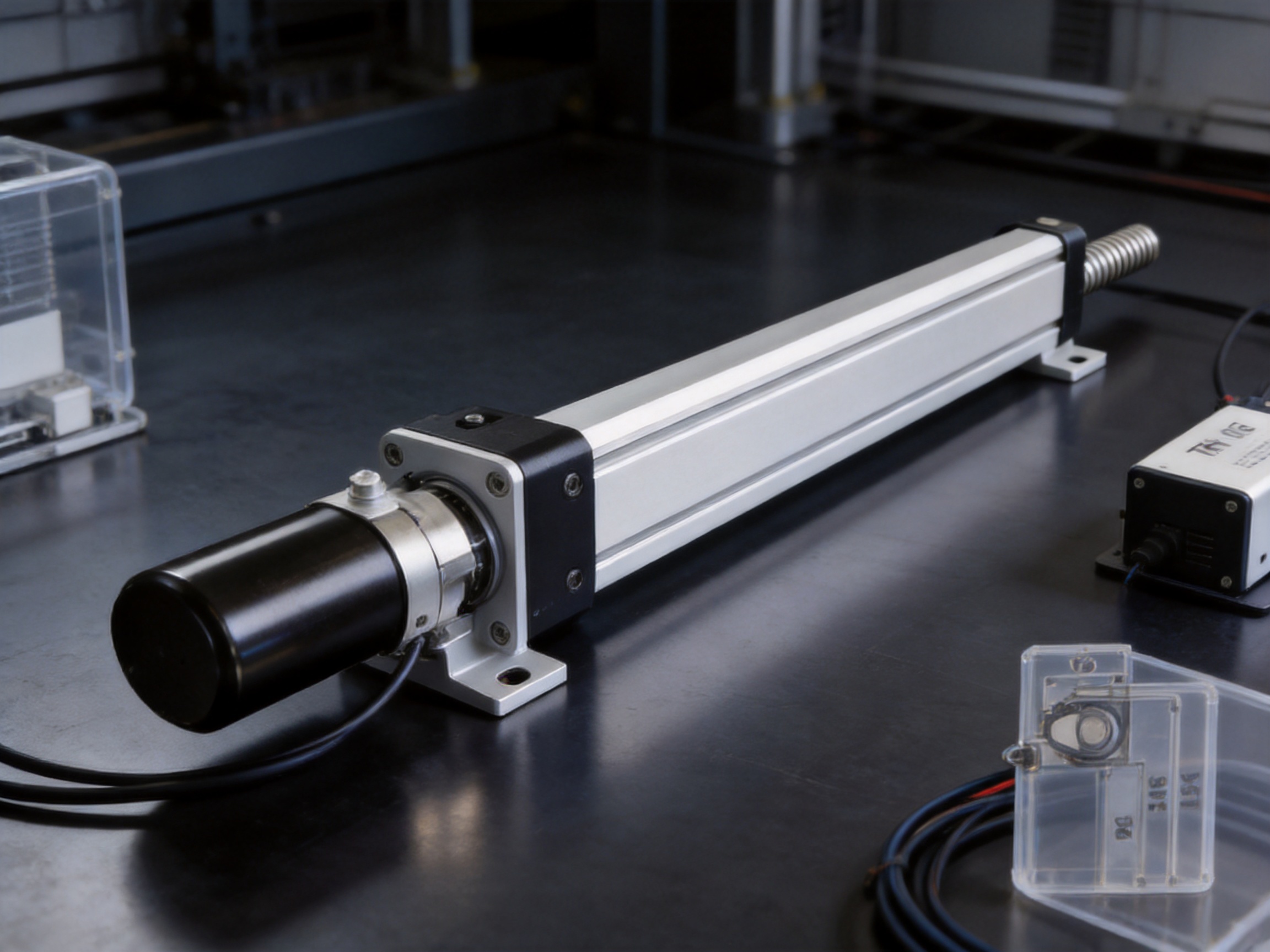
Protection, Control, and Operational Reliability
Electronic Limit Switches
Electronic limit switches are built into the actuator to control movement at both ends of the stroke. When the actuator reaches its designed extension or retraction limit, the system automatically cuts power to prevent continued movement. This helps protect the screw, gearbox, motor, housing, and mounting structure from impact damage or excessive compression.
Integrated limit control also simplifies equipment design. The system builder does not necessarily need to install separate external end-of-travel switches for basic actuator operation. Fewer external components can reduce wiring, save installation time, and make the equipment cleaner and easier to maintain.
Limit switches should be understood as end-of-travel protection rather than a complete precision-positioning system. If an application requires accurate intermediate positioning, synchronized multi-axis movement, feedback, or repeatable closed-loop control, additional sensors and a suitable controller may be necessary.
Full-Range Overload Protection
The actuator includes full-range overload protection designed to interrupt power when excessive resistance or abnormal loading occurs. Overload protection is valuable because unexpected conditions can arise during normal equipment use. A panel may become obstructed, a hinge may seize, a load may be placed incorrectly, or a mechanical component may shift out of alignment.
By cutting power under overload conditions, the actuator can reduce the likelihood of severe motor, gearbox, screw, and structural damage. This feature also supports safer equipment behavior by preventing the drive system from continuing to apply force indefinitely against an obstruction.
Overload protection is not a replacement for risk assessment, guarding, emergency-stop circuits, or pinch-point protection. Equipment manufacturers should combine actuator protection with appropriate machine controls and physical safeguards. The actuator can contribute to system reliability, but safety must be considered at the complete-machine level.
IP54 Environmental Protection
The IP54 rating provides a practical level of environmental protection for many indoor industrial and commercial applications. The product is protected against harmful dust deposits and water splashing from different directions. This makes it more suitable for general machinery, workshop equipment, greenhouse mechanisms, and other environments than an unprotected actuator.
Installation conditions still matter. The actuator should be positioned to reduce direct exposure to standing water, heavy spray, corrosive chemicals, and extreme contamination. Cable routing, connectors, mounting orientation, and surrounding equipment should be considered as part of the environmental protection strategy.
For applications involving outdoor exposure, washdown, salt spray, or high humidity, the actuator should be evaluated with the complete equipment system. Additional covers, drainage provisions, protective coatings, or a different protection level may be required depending on the project.
Manufacturing Strengths Reflected in the Product Design
The performance of a heavy-duty actuator depends not only on its individual components but also on how those components are selected, machined, assembled, and tested. The TH-06 design reflects a manufacturing approach centered on integrated construction, repeatable assembly, and application flexibility.
Material Selection and Structural Construction
The thickened full aluminum alloy casing is a significant structural choice. A casing must protect the drive train, support mounting loads, assist with heat management, and maintain alignment between the motor, gearbox, and screw. A thickened aluminum body provides a balance between rigidity and manageable weight, which is useful when actuators are installed on moving frames or equipment with limited structural capacity.
The use of a full casing rather than a minimally protected motor-and-screw arrangement helps create a more finished industrial component. It gives equipment manufacturers a defined mounting envelope and helps protect internal elements during transport, installation, and operation. It also supports a consistent product appearance across different equipment platforms.
The silver-black industrial color combination is more than a visual preference. A standardized external finish makes the actuator easy to identify in a machinery assembly and contributes to a professional presentation in medical, commercial, and industrial products. Consistent exterior construction can also simplify product-family design for original equipment manufacturers.
Integrated Component Assembly
Combining the motor, gearbox, lead screw, limit switches, and overload protection into one actuator reduces the integration burden placed on the customer. A conventional custom-built linear mechanism may require separate component sourcing, bracket design, shaft coupling, limit-switch installation, and protective enclosure development. An integrated actuator packages these functions into a tested product form.
This integration can improve manufacturing efficiency at the equipment level. Fewer individual components mean fewer assembly operations, fewer connection points, and fewer opportunities for installation error. It can also reduce the amount of engineering time required to create a working prototype or adapt a proven design to a new product.
From a maintenance perspective, an integrated actuator creates a clear service boundary. If an actuator eventually requires replacement, the equipment builder may be able to replace the complete module rather than diagnosing several separate subsystems. This approach is especially valuable for distributed installations such as greenhouse systems, sanitation vehicles, adjustable platforms, and production-line mechanisms.
Standardized Mounting and Customization
Standardized flange mounting holes are an important manufacturing advantage because they support repeatable installation. Standardized interfaces enable equipment builders to design brackets and frames around known dimensions. Once the mounting structure is established, different stroke or connector options can potentially be evaluated without redesigning every part of the machine.
At the same time, the TH-06 supports customization of thrust, stroke, and mounting connectors. This combination of standardization and customization gives manufacturers a useful balance. The core actuator structure remains consistent, while the motion range and mechanical interface can be adapted to the equipment’s actual requirements.
Customization is particularly useful for original equipment manufacturers that produce several related machines. One version may need a compact stroke for a cover, another may require a longer stroke for a lifting frame, and a third may need a special connector to match an existing linkage. A configurable actuator platform can help reduce the need for completely new mechanical solutions.
Process-Oriented Quality Control
Although individual project requirements may vary, a heavy-duty actuator manufacturing process should control key stages such as material preparation, housing production, motor and gearbox assembly, lead-screw installation, electrical integration, limit-switch verification, and final functional testing.
Housing production should preserve the alignment and mounting dimensions required for reliable operation. Gearbox assembly should ensure that gears, shafts, bearings, and lubricated interfaces are correctly positioned. Lead-screw installation should maintain suitable alignment and smooth travel. Electrical assembly should confirm correct polarity, wire routing, insulation, and switching behavior.
Functional testing is especially important for an actuator because performance is created by the interaction of many components. A final test program may include extension and retraction checks, limit-switch response, overload behavior, current measurement, noise observation, and visual inspection. Testing under representative load conditions can help verify that the actuator performs consistently after assembly.
The TH-06’s combination of certifications, integrated protection features, and heavy-duty construction demonstrates a product-development philosophy that considers both performance and compliance. For equipment manufacturers, this can make the actuator easier to evaluate as part of a larger product qualification process.
Advantages Compared with Pneumatic and Hydraulic Alternatives
Cleaner Installation Than Hydraulic Systems
Hydraulic cylinders can generate high force, but a complete hydraulic system normally requires a pump, reservoir, valves, hoses, fittings, seals, and hydraulic fluid. These components occupy space and introduce potential leak points. Fluid leakage can contaminate products, floors, soil, or medical equipment, and maintenance may require specialized procedures.
The TH-06 produces linear movement using electrical power and mechanical transmission. It has no hydraulic oil, pump, or pressure hose. This cleaner architecture can be advantageous in medical nursing beds, greenhouse equipment, sanitation machinery, and indoor automation where oil contamination is undesirable.
Removing the hydraulic infrastructure may also reduce installation complexity. An equipment builder can route 24VDC power and control wiring rather than designing an entire fluid circuit. This may lower the number of components, simplify troubleshooting, and create a more compact machine layout.
Less Supporting Equipment Than Pneumatic Systems
Pneumatic cylinders are often valued for simple linear movement, but they depend on compressed air. A pneumatic installation may require a compressor, air tank, filters, regulators, lubricators, valves, tubing, and exhaust silencers. Air leaks can reduce efficiency and create noise, while compressed-air generation consumes energy even when the cylinder itself appears simple.
The TH-06 operates directly from a 24VDC electrical supply. It does not require a compressor or centralized air network. This makes it a practical alternative when a facility does not already have compressed-air infrastructure or when a machine must operate independently from a mobile battery or local power source.
The actuator also offers mechanical self-locking, which can be helpful when a pneumatic cylinder would need a separate mechanical lock or continuous air pressure to hold a load. The correct choice depends on cycle time, force, environmental conditions, and safety requirements, but the TH-06 provides a strong option for electrically driven equipment.
More Direct Control for Distributed Equipment
Electric actuators can be controlled through switches, relays, programmable controllers, and other electrical interfaces. This makes them suitable for distributed systems in which several adjustment points must be operated from a central control panel or automated according to a schedule.
In a greenhouse, for example, a control system can command window openers based on temperature or ventilation requirements. In an adjustable medical bed, the actuator can be integrated into a user-operated or caregiver-operated control system. In an assembly line, it can be combined with sensors and machine logic to move a pusher or guide at a defined stage of the production cycle.
Application Areas
General Heavy Automation
General automation equipment often requires linear movement for opening access panels, adjusting guides, lifting fixtures, positioning workpieces, or moving protective covers. The TH-06 is suitable for applications where the required motion is controlled and intermittent rather than extremely fast.
Its high push rating allows it to work with substantial mechanical assemblies, while its electronic limits help protect the machine at the ends of travel. The standardized flange interface can also simplify the development of custom brackets and frames.
Medical Nursing Beds
Medical and care beds commonly require powered adjustment of back sections, leg sections, height, or other support structures. These applications require smooth movement, secure holding, compact integration, and clean operation. The TH-06’s low-voltage input, self-locking lead screw, and oil-free electric design are relevant advantages for this type of equipment.
Medical equipment manufacturers must conduct their own complete safety, hygiene, reliability, and regulatory evaluations. Load distribution, emergency lowering, patient protection, pinch-point control, noise, and cleaning conditions should all be considered. The actuator can serve as a strong mechanical drive component within a properly engineered medical device.
Greenhouse Window Openers
Greenhouse ventilation systems need dependable mechanisms to open and close windows or roof panels in response to temperature, humidity, and weather conditions. The TH-06 can provide the controlled linear force required to move these structures, particularly where panels are heavier or wind resistance is significant.
The IP54 rating offers useful protection for many greenhouse environments, but the actuator should be shielded from persistent water accumulation, condensation, fertilizer chemicals, and direct weather exposure where necessary. Proper bracket alignment and a suitable control strategy are essential for long-term operation.
Sanitation Vehicle Covers
Sanitation vehicles often use powered covers, hatches, doors, or compact lifting mechanisms. Space is limited, equipment may be exposed to dust and splashing, and maintenance access can be difficult. A self-contained 24VDC actuator can integrate well with vehicle electrical systems while avoiding hydraulic hoses and pneumatic equipment.
The aluminum housing and IP54 protection support general equipment use, while overload protection can help manage situations in which debris or a misaligned cover increases resistance. Vehicle designers should account for vibration, shock, temperature, road contamination, and battery-voltage variation during system qualification.
Industrial Assembly-Line Pushers
Assembly lines often require pushers to move components between stations, position fixtures, or redirect products. The TH-06’s 5mm/s no-load speed provides controlled movement, and the 6000N push rating can support robust pushing tasks when the mechanical arrangement is correctly designed.
The 10% intermittent duty cycle is appropriate for repeated start-stop operations with planned rest periods. The production cycle should be analyzed carefully to ensure that movement time and idle time remain compatible with the actuator’s thermal and duty requirements. Applications demanding rapid continuous cycling may require a different actuator class or a redesigned motion profile.
Adjustable Industrial Structures
Many industrial structures need occasional height, angle, or position adjustments. Examples include machine covers, inspection platforms, work supports, loading guides, and adjustable fixtures. In these applications, the actuator’s self-locking feature can help maintain the selected position without continuous motor operation.
When used in an adjustable structure, the actuator should be installed so that the force is transmitted directly through the intended axis. Mechanical stops, guide rails, and synchronized actuators may be required when the structure is wide, flexible, or susceptible to twisting.
Engineering and Installation Considerations
Load Calculation
Before selecting the actuator, engineers should calculate the actual force required throughout the motion. The calculation should include the static load, friction, acceleration, angle of installation, linkage ratio, and possible external resistance. A safety factor should be included to account for variation in load and operating conditions.
For a direct vertical lifting arrangement, the actuator must overcome the gravitational component of the load as well as friction and acceleration forces. For a hinged cover, the required actuator force depends heavily on the attachment point and the angle between the actuator and the cover. Moving the attachment point can significantly change the force requirement and stroke relationship.
The rated push and pull values should not be treated as a recommendation to operate continuously at the maximum limit. A conservative design improves service life and reduces the likelihood of overload events. If the application involves sudden impact, vibration, or uncertain loading, the equipment builder should conduct practical testing before production release.
Mounting Alignment
Correct mounting alignment is essential for any lead-screw actuator. The actuator should push or pull along its intended centerline. Brackets should permit the required angular movement where the load follows an arc. Rigidly forcing a misaligned mechanism to move through an actuator can create side loading and premature wear.
Mounting bolts should be selected according to the expected load and vibration. The surrounding frame must be strong enough to distribute the actuator force without bending or cracking. If the mounting structure deflects, the actuator may experience additional side forces even when the initial installation appears aligned.
Guides should be used where the moving structure requires lateral support. The actuator should not be expected to function as a guide rail unless the design specifically allows for that role. Separating the linear guidance function from the force-generation function normally produces a more reliable mechanical system.
Electrical Integration
The 24VDC power supply should be selected with sufficient current capacity for startup, full-load operation, and simultaneous operation of other equipment. Wiring should be appropriately sized to minimize voltage drop, especially where the actuator is installed at a distance from the power supply.
Reversing the actuator requires a suitable switching or control arrangement. The control system should prevent contradictory commands from being applied at the same time. Fuses, circuit protection, emergency-stop functions, and wiring safeguards should be selected according to the complete equipment design.
Because the actuator includes electronic limits and overload protection, control engineers should understand how the actuator responds when an end limit or overload condition is reached. The machine controller should provide a suitable reset or diagnostic strategy where necessary. Repeated operation against a limit or overload should not be used as a normal positioning method.
Duty Cycle and Thermal Management
The TH-06 has a 10% intermittent duty cycle. Duty cycle describes the proportion of operating time within a defined period. A 10% rating generally indicates that the actuator must spend substantially more time resting than moving, although the exact permissible sequence should be confirmed for the specific application.
This rating makes the actuator suitable for periodic adjustments, intermittent lifting, occasional cover operation, and repeated start-stop processes with adequate pauses. It may not be appropriate for continuous back-and-forth motion or high-frequency production cycles without additional evaluation.
Thermal performance is affected by load, ambient temperature, stroke length, operating frequency, installation orientation, and available heat dissipation. The aluminum housing can help transfer heat away from internal components, but it cannot eliminate the need to observe the stated duty cycle.
Maintenance and Serviceability
The oil-free electric architecture reduces maintenance associated with hydraulic fluid, pump servicing, hose replacement, and pneumatic air treatment. This can be a major advantage for equipment operators who want to minimize routine consumables and reduce the risk of fluid-related contamination.
Routine inspection should still be part of the equipment maintenance program. Operators should check mounting bolts, brackets, wiring, connectors, visible housing damage, unusual noise, abnormal vibration, and changes in operating speed. Any increase in resistance or inconsistent movement should be investigated before the actuator is returned to normal service.
The lead screw and external moving components should be kept free of damaging contamination. The correct lubrication and cleaning procedure should be determined from the product documentation and application environment. Unapproved lubricants, abrasive cleaning methods, and pressure washing may affect the actuator’s protection and service life.
Overload events should be recorded where practical. A repeated overload usually indicates an underlying problem such as excessive load, obstruction, poor alignment, a damaged guide, or an incorrect linkage geometry. Resetting the system without correcting the cause can shorten the service life of the motor and transmission.
For equipment manufacturers, the integrated design can simplify replacement planning. Spare actuators can be specified by model, stroke, thrust configuration, and mounting connector. Maintaining consistent actuator interfaces across a product family can reduce inventory complexity and help service technicians complete replacements more quickly.
Why the TH-06 Is a Versatile Platform
The defining strength of the TH-06 is not one isolated specification but the way its features work together. A 6000N push force provides substantial mechanical capability. A 4000N pull and self-locking force support controlled retraction and load holding. The 24VDC supply makes electrical integration practical. The 5mm/s speed supports deliberate motion. Electronic limits and overload protection improve operational resilience. The aluminum housing and IP54 rating support general industrial use.
This combination gives the actuator a broad application range. It is powerful enough for many heavy mechanisms but does not require the infrastructure of a hydraulic or pneumatic system. It is compact enough to integrate into equipment while still offering a substantial force rating. It can be customized without abandoning the benefits of a standardized product platform.
The TH-06 also supports a more streamlined product-development process. Equipment manufacturers can begin with a proven actuator architecture, then adapt the stroke, connector, brackets, and controls to suit the application. This approach may reduce prototype iterations and make it easier to create multiple equipment versions from a common design base.
For manufacturers seeking a clean, electrically powered alternative to conventional cylinders, the TH-06 offers a practical combination of force, holding capability, protection, and integration convenience. Its design is especially relevant for general automation, medical-care equipment, agricultural ventilation, sanitation machinery, and industrial assembly applications.
Selection Guidance for Equipment Manufacturers
When evaluating the TH-06 for a new project, the first step is to define the motion requirement. Engineers should identify whether the actuator will push, pull, lift, tilt, open, close, or position a component. They should then determine the required stroke, maximum force, expected speed, mounting geometry, and frequency of operation.
The second step is to evaluate the environment. Dust, moisture, cleaning procedures, temperature, chemicals, vibration, and outdoor exposure can all influence the final actuator selection and protection strategy. IP54 is suitable for many general conditions, but the complete machine may require additional environmental protection.
The third step is to design the control and safety system. The actuator should be integrated with appropriate power protection, control logic, emergency-stop functions, mechanical guards, and—where required—position or load feedback. Electronic limits and overload protection are valuable built-in functions, but they should operate as part of a complete safety architecture.
The final step is validation. Prototype testing should evaluate the full mechanical assembly rather than the actuator alone. Testing should include normal loads, maximum expected loads, obstruction behavior, repeated cycles, end-of-stroke operation, power-supply variation, environmental exposure, and emergency conditions.
Q&A
What type of product is the TH-06?
The TH-06 is a heavy-duty electric linear actuator designed to convert 24VDC motor power into controlled linear extension and retraction. It is suitable for pushing, pulling, lifting, opening, closing, tilting, and adjusting mechanical structures.
How much force can the actuator provide?
The actuator has a maximum push force of 6000N and a pull force of 4000N. Its stated self-locking force is also 4000N. Actual application capacity depends on mounting geometry, load direction, duty cycle, side loading, acceleration, and the safety factor selected by the equipment designer.
Is the actuator suitable for vertical lifting?
It can be considered for vertical lifting applications when the load, stroke, mounting geometry, and safety requirements are properly evaluated. The self-locking lead-screw design can help hold a supported load when stationary, but additional mechanical safety measures may be needed for applications where unintended movement could cause injury or equipment damage.
What power supply does the TH-06 require?
The actuator uses a 24VDC input. The power supply and wiring should be selected according to the full-load working current, startup demand, cable length, voltage drop, and the requirements of other equipment connected to the same electrical system.
What is the operating speed?
The stated no-load telescopic speed is 5mm/s. Movement speed under load may differ. The actuator is designed for controlled, force-oriented motion rather than high-speed continuous positioning.
Does the actuator have self-locking capability?
Yes. The trapezoidal lead screw provides mechanical self-locking behavior, and the stated self-locking force is 4000N. This helps the actuator resist back-driving when stopped, although final equipment safety should not rely on the actuator alone.
What protection features are included?
The actuator includes electronic limit switches and full-range overload protection. The limit switches cut power at both ends of the stroke, while overload protection is designed to interrupt operation when excessive resistance or abnormal loading is detected.
What does IP54 mean for the TH-06?
IP54 indicates protection against harmful dust deposits and water splashing from different directions. It is suitable for many general indoor industrial and commercial environments. It does not mean that the actuator is suitable for immersion, high-pressure washing, or every outdoor condition.
Can the TH-06 replace pneumatic or hydraulic cylinders?
It can replace traditional pneumatic or hydraulic cylinders in many applications where its force, speed, stroke, duty cycle, environmental protection, and mechanical interface are suitable. The final choice should consider the complete motion profile and safety requirements of the machine.
What are the main advantages over hydraulic systems?
The TH-06 does not require hydraulic oil, pumps, reservoirs, hoses, or fluid valves. This can create a cleaner and more compact installation, reduce potential leakage points, and simplify maintenance in applications where oil contamination is undesirable.
What are the main advantages over pneumatic systems?
The actuator does not require a compressor, air tank, air preparation components, or pneumatic tubing. It can operate directly from a 24VDC electrical system and can hold a position mechanically through its self-locking lead screw.
Is the actuator suitable for continuous operation?
The actuator has a 10% intermittent duty cycle, so it is intended for repeated operation with adequate rest periods rather than continuous movement. The actual machine cycle should be reviewed carefully to ensure that it remains within the product’s thermal and operating limits.
Can the actuator be customized?
Customization is available for thrust, stroke, and mounting connectors. These options allow the actuator to be adapted to different installation spaces, load requirements, and mechanical interfaces while retaining the advantages of a common heavy-duty actuator platform.
What industries can use the TH-06?
Potential application areas include general heavy automation, medical nursing beds, greenhouse window openers, sanitation vehicle covers, industrial assembly-line pushers, adjustable industrial structures, and other equipment requiring controlled medium- to heavy-duty linear movement.
What should be checked before installation?
Designers should check the required force, stroke, speed, mounting geometry, alignment, side loads, duty cycle, power supply, environmental conditions, control logic, and safety provisions. Correct bracket design and load guidance are especially important for long-term reliability.
Conclusion
The TH-06 Heavy-Duty Electric Linear Actuator provides a versatile motion solution for equipment manufacturers that need strong, clean, and controllable linear actuation. Its 6000N push capability, 4000N pull and self-locking capability, 24VDC input, 5mm/s no-load speed, aluminum alloy housing, IP54 protection, electronic limits, and overload protection create a well-balanced platform for many industrial and commercial applications.
Its advantages become especially clear when compared with complete pneumatic and hydraulic systems. The actuator removes the need for compressors, pumps, reservoirs, hoses, and oil circuits, while its integrated motor, gearbox, lead screw, and protection functions simplify equipment development. The result is a compact electromechanical solution that can reduce system complexity and support cleaner machine architecture.
The product’s manufacturing strengths are reflected in its thickened aluminum construction, metal reduction gearbox, standardized flange mounting, integrated electrical protection, and support for customization. These characteristics help equipment manufacturers develop repeatable product platforms while adapting the actuator to different strokes, forces, and installation requirements.
With proper load calculation, alignment, electrical integration, duty-cycle management, and safety engineering, the TH-06 can serve as a dependable drive component for general automation, medical-care equipment, agricultural systems, sanitation vehicles, assembly lines, and adjustable industrial mechanisms. It is a practical choice for organizations seeking to modernize conventional cylinder-based equipment with efficient electric linear motion.
References
1. Product specification and application information for the TH-06 Heavy-Duty Electric Linear Actuator.
2. General principles of electric linear actuator construction, including DC motors, reduction gearboxes, lead screws, limit switches, and overload protection.
3. International enclosure protection classification principles associated with IP54 ratings.
4. General guidance for CE conformity evaluation and RoHS restricted-substance compliance in electrical and electromechanical products.
5. Engineering principles for actuator load calculation, mechanical alignment, self-locking screw mechanisms, and intermittent duty-cycle selection.
6. Industrial equipment design practices for pneumatic, hydraulic, and electromechanical linear motion systems.
Product: TH-06 Heavy-Duty Electric Linear Actuator for Universal Applications


- Contact Info
-
-
 Phone+86-15950656125
-
 Email
-
 AddressRoom 1007-1, South Building, Suyue Plaza, Suzhou Industrial Park, Suzhou City, Jiangsu Province, China
-
- Products
- Follow Us
- Need help? Please contact us
Copyright ©
SuZhou Skyhone Intelligent Technology Co., Ltd.
All Rights Reserved.
Privacy
Custom Ergonomic Adjustable Office Tables Manufacturers

