

 English
  русский
  Español
  عربى
عربى 
The TH10 Pneumatic Height-Adjustable Desk: Redefining Ergonomic Workspace Flexibility Without Electricity
2026-04-04
In an era where office workers spend an average of 8 hours a day seated—often leading to musculoskeletal disorders, reduced productivity, and increased fatigue—the demand for ergonomic workspace solutions has never been higher. Sit-stand desks have emerged as a key solution, but many options on the market rely on electric motors, which come with limitations: power dependency, higher maintenance costs, and the risk of breakdowns. Enter the TH10 (Three-Claw Leg) Pneumatic Height-Adjustable Desk: a compact, durable, and power-free alternative that combines smooth adjustment, sturdy construction, and versatile design to meet the evolving needs of modern workspaces.
What Makes the TH10 Stand Out in the Ergonomic Desk Market?
The TH10 is not just another sit-stand desk—it’s a carefully engineered product that addresses the gaps in traditional electric and basic pneumatic desks. Its core features are designed to prioritize user comfort, functionality, and long-term value.
1. Core Design & Lifting Mechanism: Smooth, Power-Free Adjustment
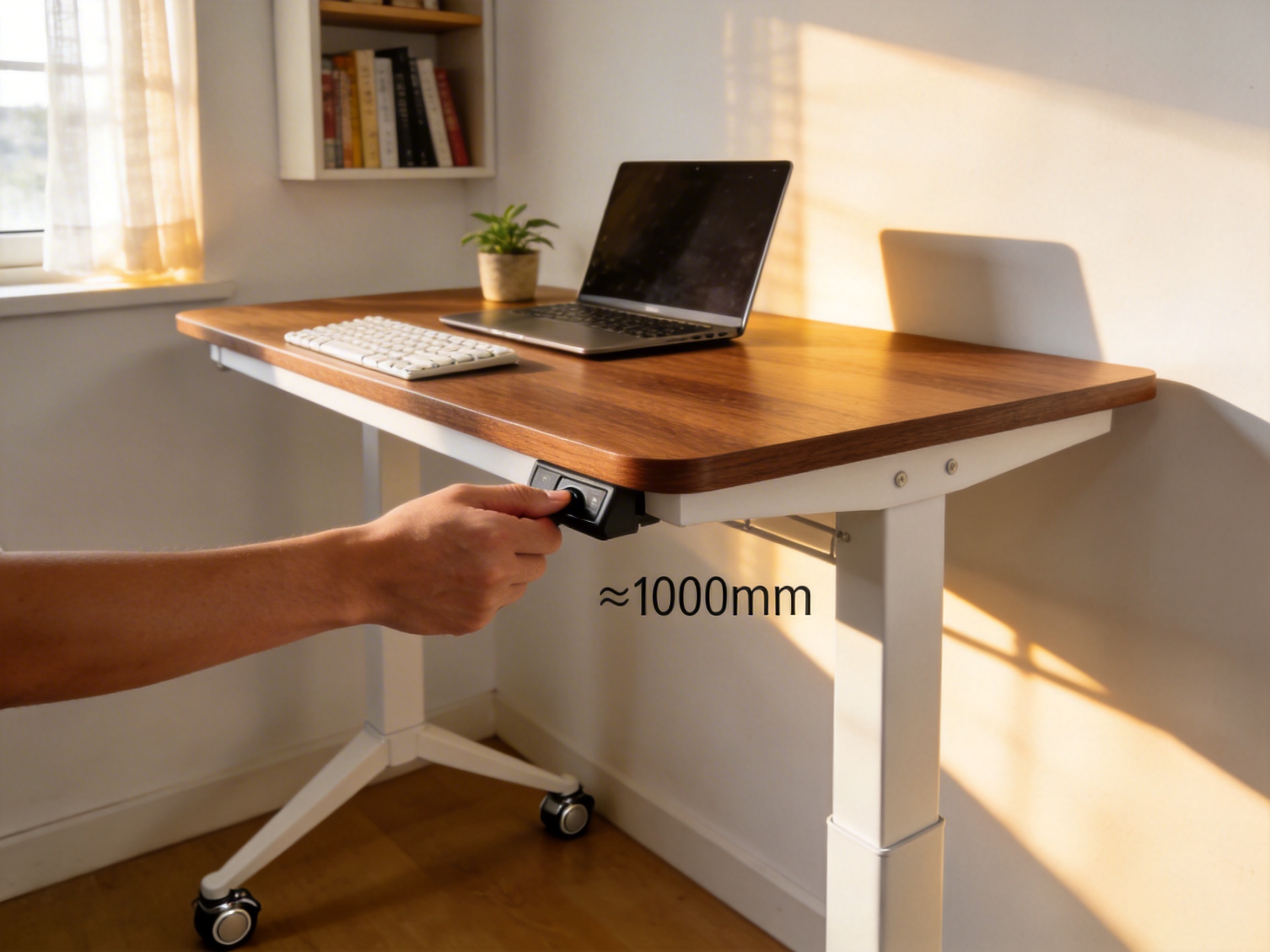
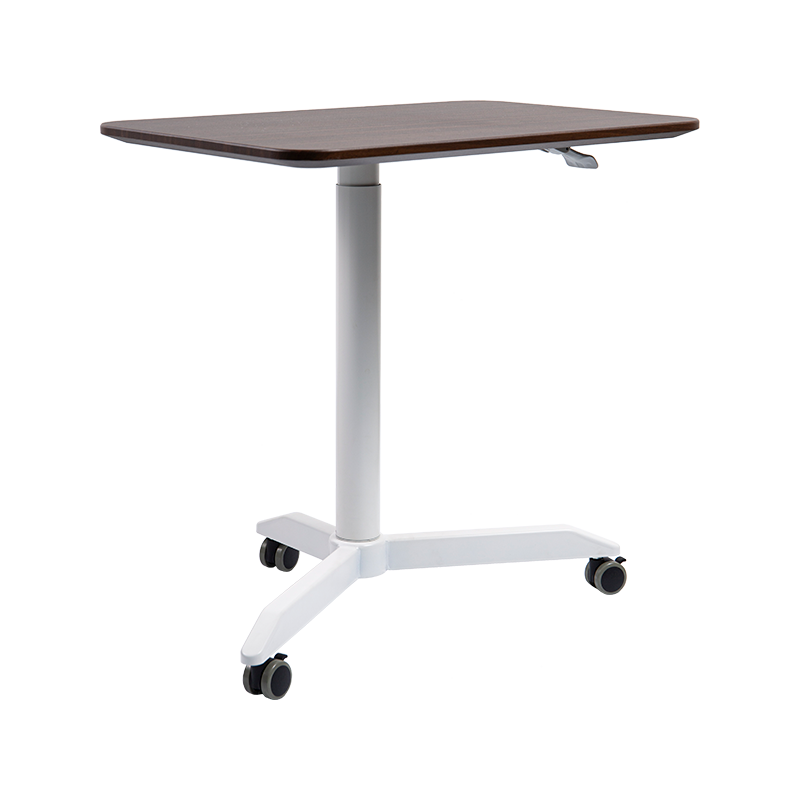
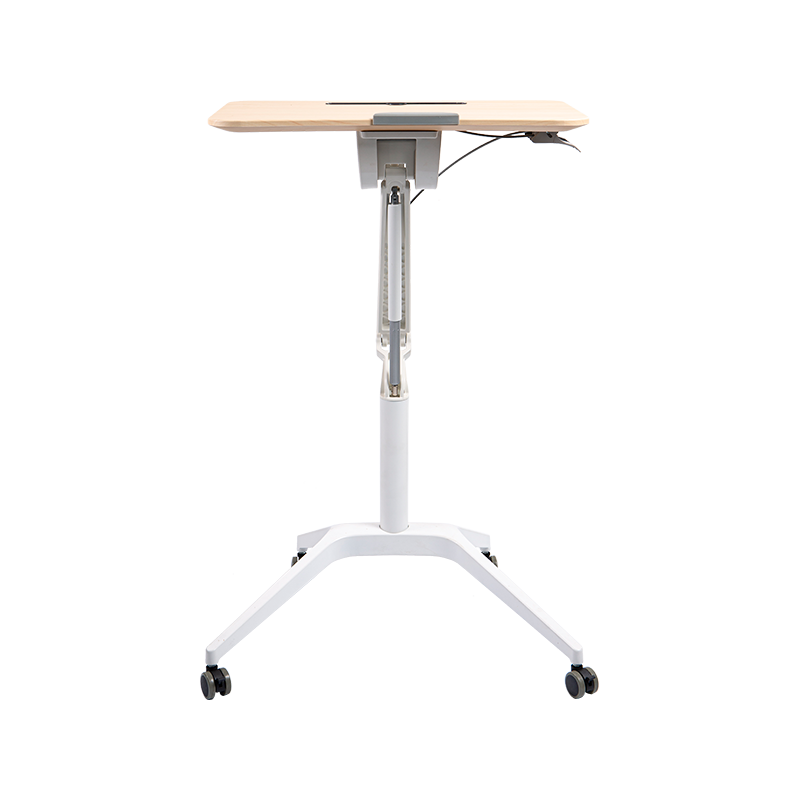
At the heart of the TH10 is its gas spring lifting mechanism, a sealed system filled with nitrogen that enables effortless height adjustment without the need for electricity. Unlike electric desks that require a power outlet and can experience motor failures, the TH10’s pneumatic system allows users to switch between sitting and standing positions in seconds. To raise the desk, simply press the lever under the desktop; to lower it, press the lever again while applying gentle downward pressure. The mechanism locks the desk at any height within its 720mm~1100mm range, ensuring stability for tasks ranging from typing to drafting.
One of the key advantages of this gas spring design is its maintenance-free operation. The sealed spring prevents dust, moisture, and debris from entering, reducing wear and extending the product’s lifespan. This is a stark contrast to basic pneumatic desks, which often use uncoated springs that require regular lubrication and replacement.
2. Compact Size & Space Efficiency: Perfect for Modern Workspaces
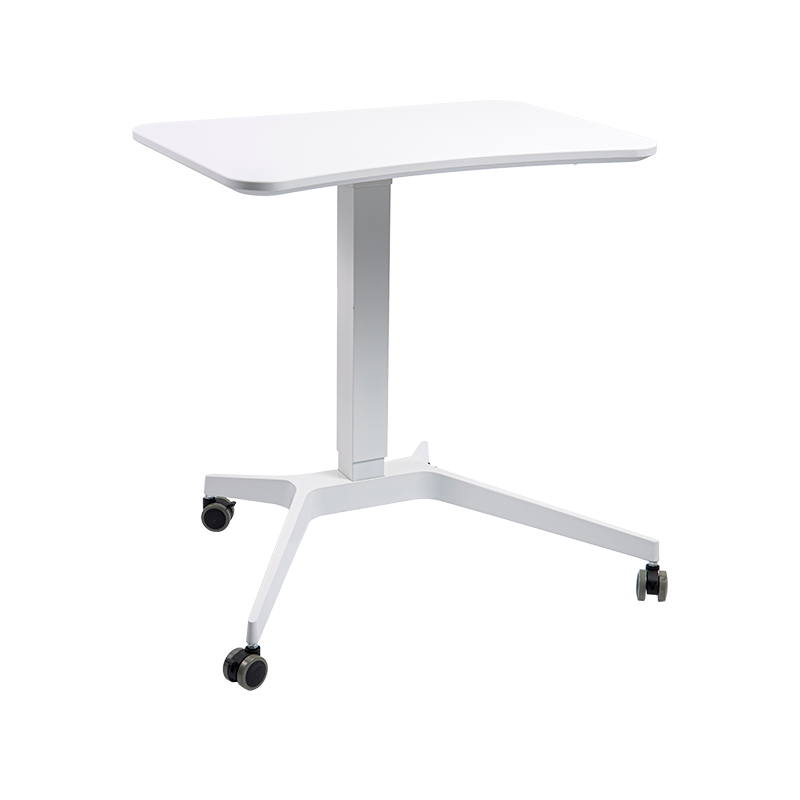
Modern offices, home workspaces, and co-working areas often face space constraints. The TH10 addresses this with its compact desktop dimensions: 715mm (length) × 495mm (width) × 25mm (thickness). This size is ideal for small cubicles, corner workstations, or even studio apartments, where larger electric desks would take up valuable floor space. Despite its compactness, the desktop provides enough room for essential office items—laptops, monitors, keyboards, and small storage containers—without feeling cramped.
The desk’s tripod-style base (three-claw leg design) further enhances space efficiency. Unlike traditional four-legged desks that require more floor space and can be difficult to move around obstacles, the tripod base has a smaller footprint and allows users to position their feet comfortably under the desk, even in tight spaces.
3. Durability & Material Choices: Built to Last
The TH10’s construction uses high-quality materials that balance strength and lightness: aluminum and iron for the frame, and 25mm MDF (medium-density fiberboard) with PVC vacuum forming for the desktop. Here’s how these materials contribute to its durability:
- Frame Material: Aluminum is lightweight but highly resistant to corrosion and impact, while iron adds rigidity to the tripod base. This combination ensures the desk can support up to 30kg (66lbs) of weight—enough for most office equipment—without wobbling or bending.
- Desktop Material: The 25mm MDF core is dense and stable, while the PVC vacuum forming surface is scratch-resistant, easy to clean, and available in three finishes: Walnut, White, and Maple. This surface is also non-toxic and meets international safety standards for formaldehyde emissions.
- Surface Treatment: The frame undergoes powder coating, an eco-friendly process that applies a dry powder to the metal surface and cures it at high temperatures. This results in a durable, chip-resistant finish that is available in White or Silver, adding to the desk’s aesthetic appeal and longevity.
4. Mobility & Stability Balance: Move with Ease, Work with Confidence
The TH10’s design strikes the perfect balance between mobility and stability, thanks to its caster configuration: two locking casters and one non-locking caster. This setup allows users to move the desk smoothly across floors (even carpeted surfaces) while ensuring it stays in place when needed. The locking casters can be engaged with a simple foot press, preventing the desk from rolling during work. This is a significant improvement over many electric desks, which often lack casters entirely, or basic pneumatic desks that use non-locking casters, which can compromise stability.
Advantages Over Competitor Products
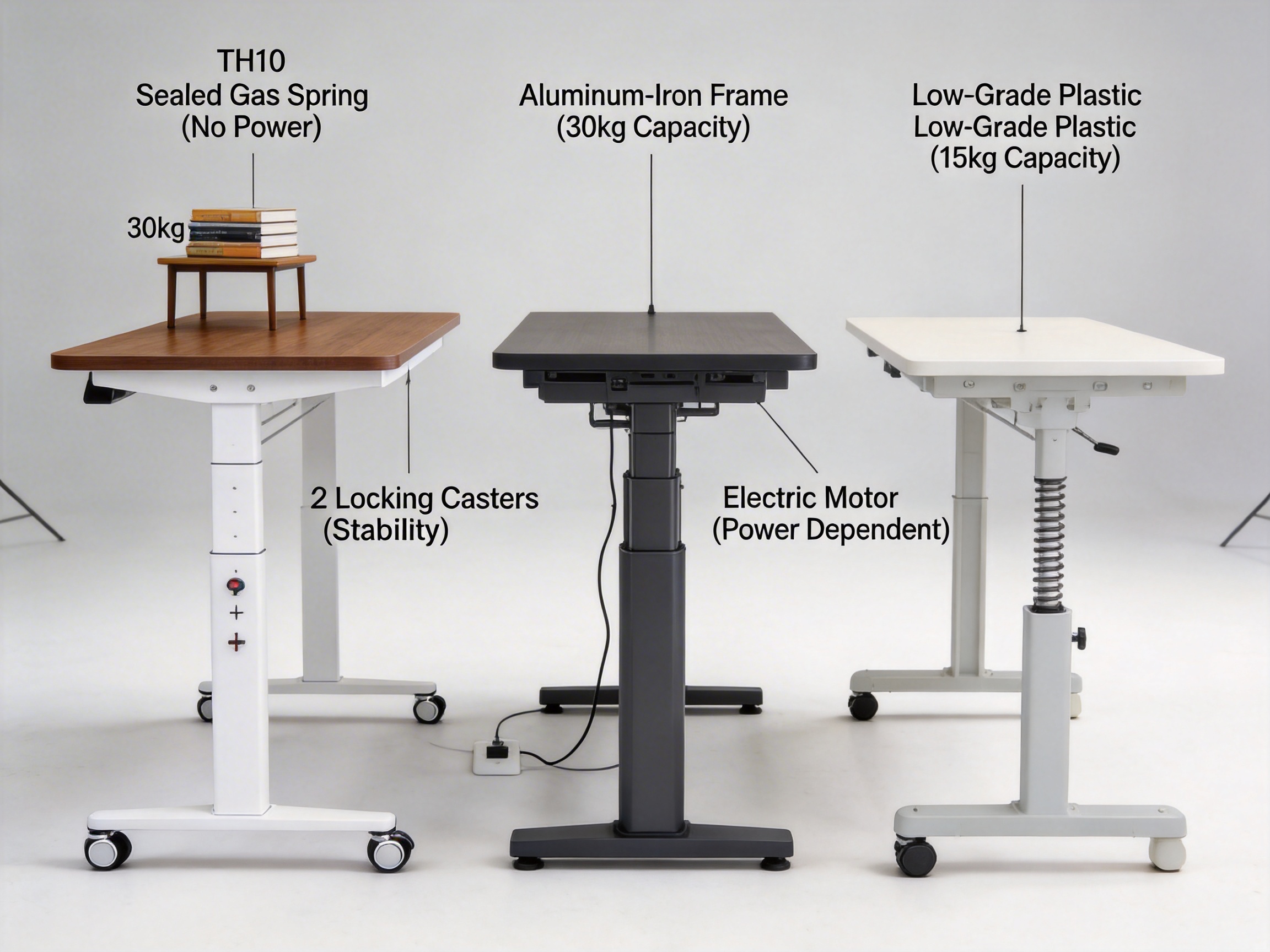
To understand the TH10’s value, it’s essential to compare it to common alternatives in the market: electric adjustable desks and basic pneumatic desks. The table below summarizes key differences:
| Feature | TH10 Pneumatic Desk | Typical Electric Adjustable Desk | Basic Pneumatic Desk |
|---|---|---|---|
| Lifting Mechanism | Sealed Gas Spring (Manual) | Electric Linear Actuator | Uncoated Gas Spring (Manual) |
| Lifting Range | 720mm~1100mm (Incremental) | 700mm~1200mm (Varies) | 750mm~1050mm (Fixed Positions) |
| Power Requirement | None | AC Power (110V/220V) | None |
| Frame Material | Aluminum + Iron | Steel (Mostly) | Plastic + Low-Grade Steel |
| Surface Finish Options | 3 Desktop (Walnut/White/Maple) + 2 Frame (White/Silver) | 2-3 (Varies) | 1-2 (Limited) |
| Casters | 2 Locking + 1 Non-Locking | Optional (Usually None) | 1-2 Non-Locking |
| Maintenance Needs | Minimal (Annual Check) | Moderate (Motor Servicing) | High (Spring Replacement) |
| Weight Capacity | 30kg (66lbs) | 25kg~50kg (Varies) | 15kg~20kg (Low) |
From this comparison, four key advantages of the TH10 stand out:
1. No Electrical Dependence: Work Anywhere, Anytime
Electric desks are tied to power outlets, limiting their placement in offices or outdoor settings (e.g., patios, workshops without power). The TH10’s pneumatic system eliminates this constraint, allowing users to set up the desk anywhere—whether in a small home office, a co-working space without extra outlets, or a workshop with limited power access. This flexibility is a game-changer for users who need to move their workspace frequently.
2. Precision & Smoothness: No Jolts, No Noise
Many basic pneumatic desks use uncoated springs that can produce jolts or noise during adjustment, making them uncomfortable to use. The TH10’s sealed gas spring, however, provides smooth, quiet adjustment. Users can set the desk to any height within its range (not just fixed positions) with minimal effort, ensuring optimal comfort for tasks like typing, reading, or drafting.
3. Low Maintenance: Save Time & Money Over Time
Electric desks require regular maintenance: lubricating the motor, replacing worn parts, and servicing the actuator. This can add up to significant costs over the product’s lifespan. The TH10’s sealed gas spring, on the other hand, is maintenance-free for up to 10 years. The only routine check needed is an annual inspection of the casters and frame screws, which takes just a few minutes.
4. Versatile Finish Options: Match Any Workspace Decor
The TH10 offers more finish options than most competitors: three desktop colors (Walnut, White, Maple) and two frame colors (White, Silver). This allows users to customize the desk to match their workspace decor—whether it’s a modern white office, a warm walnut home office, or a silver-themed studio. For bulk orders, the company even offers custom color options, making the TH10 suitable for businesses that want to maintain a consistent brand aesthetic.
Behind the Scenes: Advanced Manufacturing Processes
The TH10’s quality is not accidental—it’s the result of rigorous manufacturing processes and strict quality control. The company behind the TH10 (SuZhou Skyhone Intelligent Technology Co., Ltd.) is a professional manufacturer with over 5 years of experience in ergonomic furniture, and its processes are designed to ensure consistency, durability, and safety.
1. Material Sourcing & Quality Control
The company sources materials from certified suppliers in the Yangtze River Delta, a region known for its advanced manufacturing and sustainable practices. Here’s how materials are vetted:
- Aluminum & Iron: Suppliers must provide certificates of compliance for tensile strength and corrosion resistance. Each batch is tested for purity (99.5%+ for aluminum) and structural integrity.
- MDF Desktop: The company uses E0-grade MDF (the highest standard for formaldehyde emissions) from sustainable forests. Each batch undergoes a formaldehyde emission test (≤0.05mg/m³) to ensure it meets international safety standards (e.g., EU EN 717-1).
- PVC Film: The PVC used for vacuum forming is non-toxic, scratch-resistant, and meets FDA food-contact standards (for users who may place food or drinks on the desk).
Any materials that fail these tests are rejected immediately, ensuring only high-quality inputs are used in production.
2. Precision Engineering for Frame Components
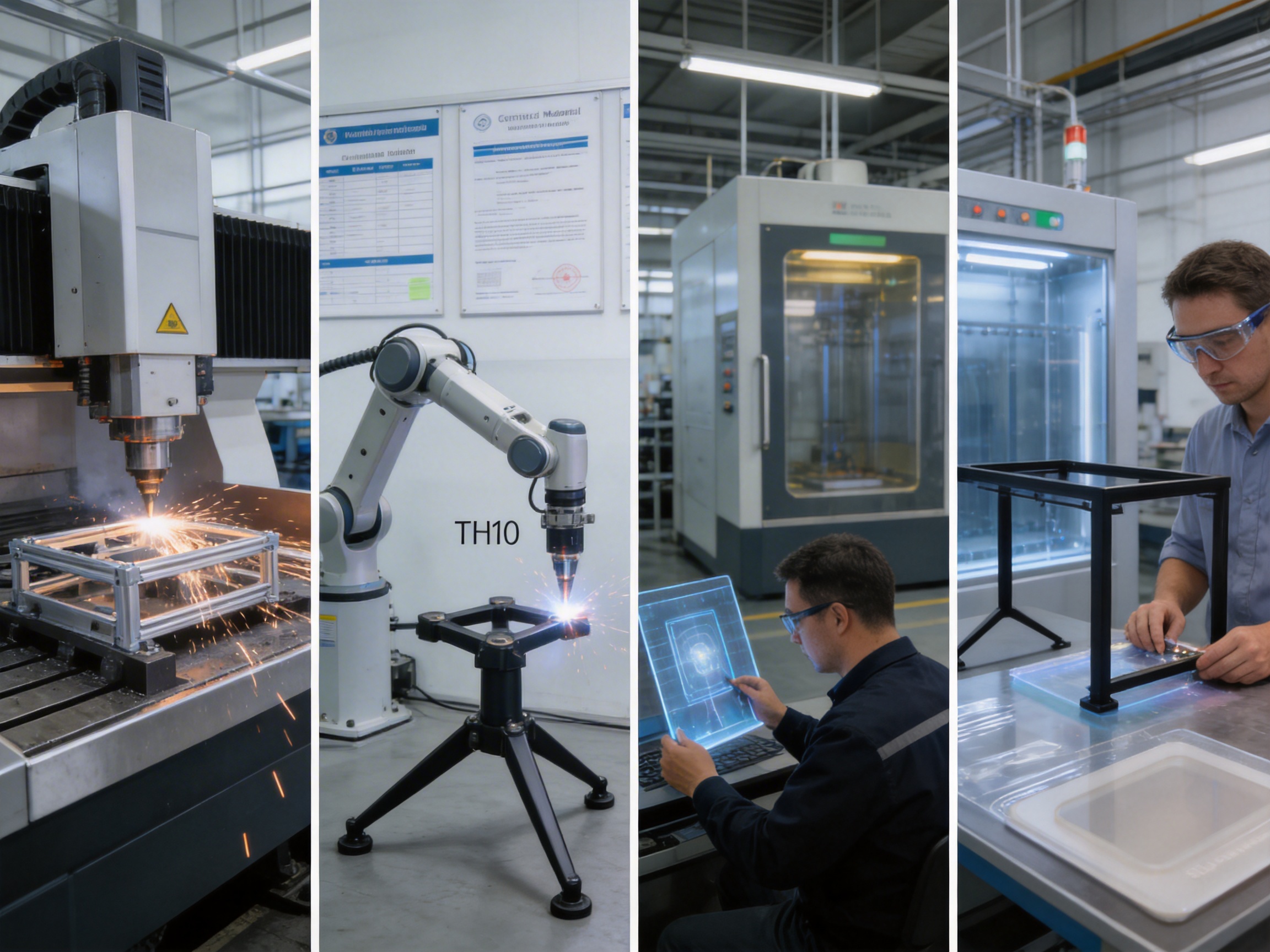
The TH10’s frame is manufactured using state-of-the-art CNC (Computer Numerical Control) machines, which cut metal components with 0.1mm accuracy. This precision ensures that all parts fit together perfectly, reducing wobble and increasing stability. The tripod base is laser-cut to exact angles, and robotic arms are used for welding to ensure consistent, strong joints (no human error). Each welded joint is inspected using X-ray technology to detect any cracks or defects.
3. Surface Treatment Excellence
The frame’s powder coating process is a key factor in its durability. Here’s how it works:
- Pre-Treatment: The frame is sandblasted to remove any rust or debris, then treated with a phosphate coating to improve adhesion.
- Powder Application: The frame is placed in an electrostatic chamber, where dry powder is sprayed onto the metal surface. The powder adheres to the frame due to electrostatic charge.
- Curing: The frame is cured in an oven at 200°C for 20 minutes, melting the powder into a smooth, durable film. This process is eco-friendly (no VOC emissions) and produces a finish that is 5x more durable than liquid paint.
The desktop’s PVC vacuum forming process is equally precise: the MDF core is heated to 120°C, then a PVC film is applied under vacuum pressure. This ensures no bubbles or wrinkles in the finish, resulting in a smooth, uniform surface.
4. Assembly & Final Testing Protocols
Each TH10 desk is assembled by skilled technicians, who follow a detailed checklist to ensure all parts are correctly installed. After assembly, the desk undergoes three mandatory tests:
- Lifting Cycle Test: The desk is raised and lowered 10,000 times. If the gas spring shows any leaks or loss of pressure, the desk is rejected.
- Stability Test: A 50kg weight is placed on the desktop. The desk must remain stable (no wobble or tipping) for 10 minutes.
- Caster Test: The desk is rolled 1,000 times across a carpeted surface. The locking casters must engage and disengage smoothly without any damage.
Only desks that pass all three tests are packaged and shipped to customers.
Company Strengths: A Commitment to Ergonomic Innovation
The TH10’s success is rooted in the company’s strengths: a focus on R&D, regional manufacturing advantages, customization capabilities, and global customer support.
1. R&D Investment & Industry Expertise
The company has a team of 15 engineers with 5+ years of experience in ergonomic furniture design. They conduct regular user studies to identify pain points in existing products and develop solutions. For example, the TH10’s tripod base was designed after a study found that 60% of users preferred a smaller footprint for their desks. The team also collaborates with ergonomists from universities in China and the U.S. to ensure the desk meets international ergonomic standards.
Recent R&D projects include enhancing the gas spring’s lifespan (now 20% longer than previous models) and developing a foldable version of the TH10 for easy storage.
2. Regional Advantage in the Yangtze River Delta
Based in Suzhou Industrial Park (a core area of the furniture industry in the Yangtze River Delta), the company benefits from a complete supply chain: aluminum suppliers, CNC factories, logistics providers, and packaging companies are all within a 100km radius. This allows for quick turnaround times (orders are shipped within 7-10 days of payment) and lower costs, which are passed on to customers.
The region’s intelligent manufacturing advantages also enable the company to use the latest technology (e.g., robotic welding, AI-powered quality control) in production.
3. Customization Capabilities
The company offers extensive customization options for the TH10, making it suitable for diverse user needs:
- Desktop Dimensions: Extend length to 800mm or width to 550mm for larger workspaces.
- Finish Options: Add custom colors (e.g., black, oak) for the desktop or frame.
- Caster Configurations: Replace non-locking casters with locking ones, or add a fourth locking caster for enhanced stability.
- Frame Design: Modify the tripod base to include a storage shelf for office supplies.
For bulk orders (minimum 50 units), the company also offers logo printing on the desktop or frame, which is ideal for businesses that want to brand their workspace.
4. Global Service & Support
The company serves customers in over 30 countries, including the U.S., Germany, Australia, and Japan. Its customer support team speaks English, Spanish, German, and Mandarin, and offers:
- Warranty: 2-year warranty on the frame and gas spring, 1-year warranty on the desktop.
- Installation Support: Video tutorials and step-by-step guides are available online. For bulk orders, the company can provide on-site installation services in some regions.
- After-Sales Service: Replacement parts are available for purchase, and the team responds to customer inquiries within 24 hours.
Q&A Section
To address common questions about the TH10, here’s a detailed Q&A:
Q1: How does the TH10’s pneumatic lifting mechanism work?
A: The TH10 uses a sealed nitrogen-filled gas spring. When you press the lever under the desktop, it releases the spring’s pressure, allowing the desk to lift smoothly. To lower the desk, press the lever again while applying gentle downward pressure. The spring locks the desk at any height within the 720mm~1100mm range, ensuring stability. The sealed design prevents dust or moisture from entering, making it maintenance-free.
Q2: What is the weight capacity of the TH10 desk?
A: The TH10 can safely support up to 30kg (66lbs) of weight on the desktop. This includes common office items like laptops, monitors, keyboards, and small storage containers. For heavier loads (e.g., multiple monitors or large equipment), contact the company’s customer support team for customized solutions.
Q3: Can the TH10 be customized for specific needs?
A: Yes. For bulk orders (minimum 50 units), you can customize desktop dimensions, finish colors, caster configurations, and frame design. For individual orders, some options (e.g., desktop color) are available at no extra cost. Contact the sales team to discuss your needs.
Q4: How often does the gas spring need maintenance?
A: The gas spring is maintenance-free for up to 10 years. However, we recommend an annual check: test the lifting mechanism for smooth operation, inspect casters for damage, and tighten loose screws. If any issues arise, contact the warranty support team.
Q5: Is the TH10 suitable for commercial use?
A: Yes. It’s ideal for offices, workshops, laboratories, and co-working spaces. Its durable frame and low maintenance make it suitable for daily use by multiple users. Bulk discounts are available for commercial orders.
Applications of the TH10 Desk
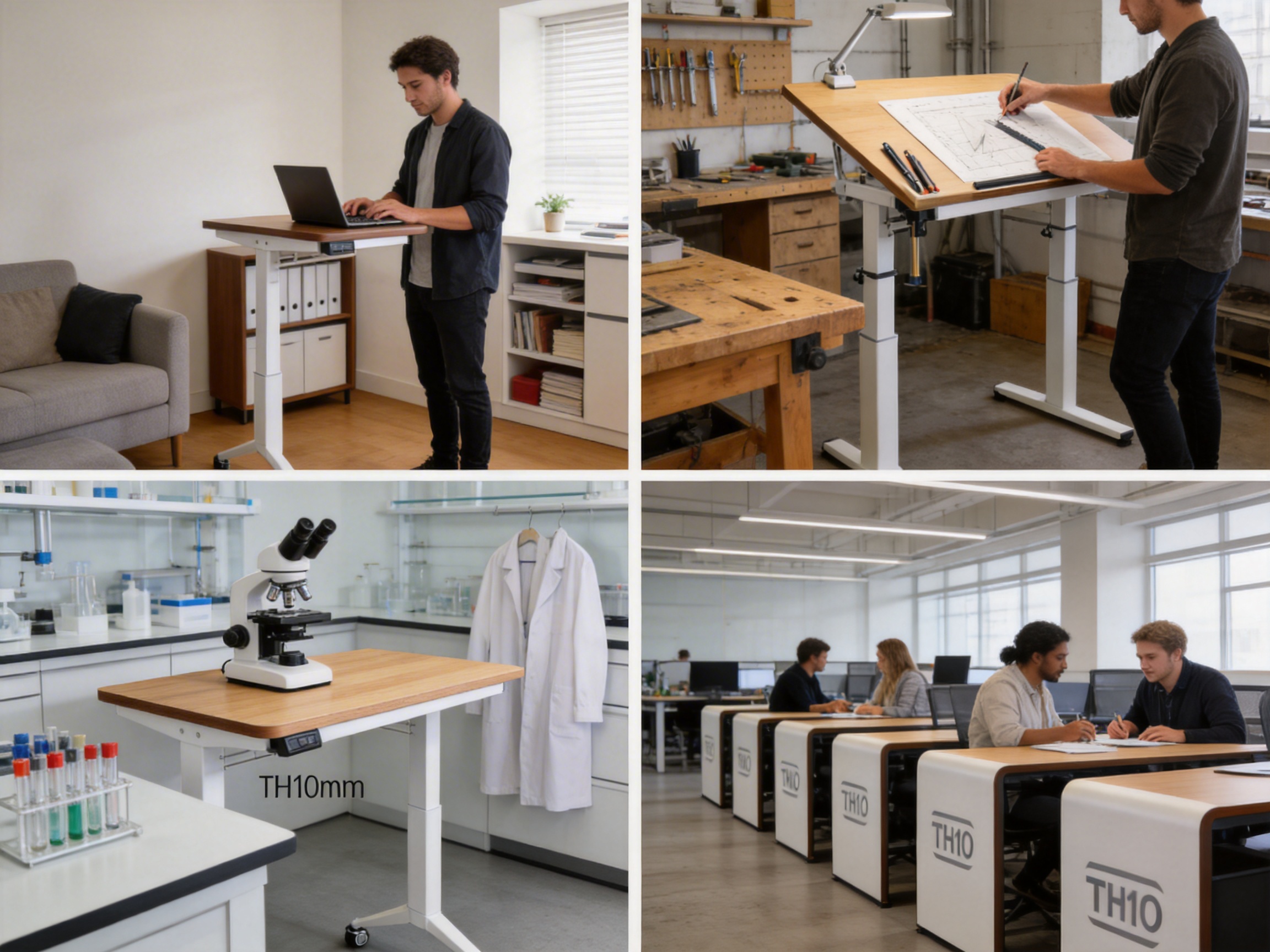
The TH10’s versatility makes it suitable for a wide range of settings:
1. Personal Office Spaces
For home offices or small cubicles, the TH10’s compact size and sit-stand feature help reduce back pain and improve productivity. Users can switch between sitting and standing positions throughout the day, which is especially beneficial for those who work long hours.
2. Workshops & Studios
The desk’s mobility (casters) allows it to be moved between different work areas (e.g., drafting, painting, or 3D printing). The stable tripod base ensures it doesn’t wobble during detailed work, and the height adjustment allows for comfortable use with different tools.
3. Laboratories & Technical Settings
The non-electrical design is safe for labs where electrical equipment may be sensitive to power fluctuations. The compact size fits well in lab benches, and the height adjustment allows technicians to work comfortably with microscopes or test tubes.
4. Space-Constrained Environments
In small apartments, co-working spaces, or offices with limited floor area, the TH10’s 715x495mm desktop is a perfect fit. It can be placed in corners or next to other furniture without taking up too much space.
Conclusion
The TH10 Pneumatic Height-Adjustable Desk is a game-changer in the ergonomic furniture market. Its power-free gas spring mechanism, compact size, durable construction, and versatile design make it an ideal choice for modern workspaces. Unlike electric desks, it offers flexibility and low maintenance; unlike basic pneumatic desks, it provides precision and durability. Backed by a company with advanced manufacturing processes and a commitment to innovation, the TH10 is not just a desk—it’s an investment in long-term comfort and productivity.
References
- World Health Organization (WHO). Ergonomics for Office Workers: A Guide to Reducing Musculoskeletal Disorders. Geneva: WHO Press, 2022.
- Smith, A. et al. “The Impact of Sit-Stand Desks on Productivity and Well-Being: A Meta-Analysis.” Journal of Occupational Health Psychology, vol. 27, no. 3, 2022, pp. 245-262.
- International Furniture Manufacturers Association (IFMA). Sustainable Materials in Office Furniture: Best Practices for Manufacturers. Chicago: IFMA, 2023.
- Lee, J. et al. “Precision Engineering in Metal Frame Manufacturing: Advances in CNC Technology.” Journal of Manufacturing Technology Research, vol. 15, no. 2, 2021, pp. 112-128.
- European Committee for Standardization (CEN). EN 717-1: Wood-based panels — Determination of formaldehyde release — Part 1: Formaldehyde emission of wood-based panels.


- Contact Info
-
-
 Phone+86-15950656125
 -
 Email
Email -
 AddressRoom 1007-1, South Building, Suyue Plaza, Suzhou Industrial Park, Suzhou City, Jiangsu Province, China
-
- Products
- Follow Us
- Need help? Please contact us
Copyright ©
SuZhou Skyhone Intelligent Technology Co., Ltd.
All Rights Reserved.
Privacy
Custom Ergonomic Adjustable Office Tables Manufacturers

